**Speaker A:**
Hello and welcome back to the Strange Water podcast. Thank you for tuning in for another conversation.
**Speaker B:**
There are a lot of ways you.
**Speaker A:**
Can understand Ethereum, but for me, I've always understood Ethereum to be the almost masterpiece of the open source movement. Not only is it perhaps the greatest, most complicated system ever designed, built, operated and upgraded by the open source community, but it has achieved all of this through a globally decentralized process of voluntary contributions.
**Speaker B:**
The best way that I like to.
**Speaker A:**
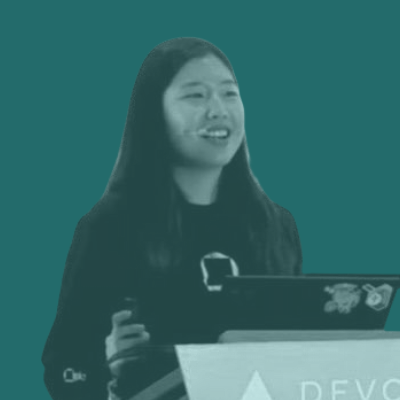
Describe it is that the amazing thing about Ethereum is that the roadmap is explicitly created out in public. The future of the world computer and with it the future of global financial and computational infrastructure is meticulously planned and read aloud on Zoom and on YouTube. Today we have the perfect guide to understanding just how this process works, what the core development process looks like, and how it steers the future of Ethereum. On nearly every single all core developers call, Christine Kim is diligently taking notes which she then makes easily digestible and publicly available. During today's conversation, Christine walks us through the all core devs calls and through them gives us the inside look into how an Ethereum hard fork comes together. This is a fascinating discussion on the inner workings of the most basic levels of the world computer and gives you an undeniable understanding just how deep open source principles and methods run through the Ethereum development process. One more thing before we begin. Please do not take financial advice from this or or any podcast. Ethereum will change the world one day, but you can easily lose all of your money between now and then. Okay, and now for Christine Kim.
**Speaker B:**
Christine, thank you so much for joining us on the Strange Water podcast.
**Speaker C:**
Thank you for having me. RH It's a pleasure to be on.
**Speaker B:**
The show of course, and I'm so excited to talk to you. I think I mentioned before we started recording that I really treat you as like my point person that can basically like explain Ethereum and ease into like something that is digestible for like people that aren't just like knee deep in solidity or even lower level languages. So super excited and thank you for joining us.
**Speaker C:**
Of course I'm glad to hear that my work is useful to people in the ecosystem like you to keep up to date. That is definitely one of my goals. Goals whenever I'm doing those write ups or producing content for sure.
**Speaker B:**
So I would love to kind of like walk through your story and get us to this point where you've been doing it for a while but where you're like kind of shepherding and like the Good kind of secretarying. These are all core dev meetings. So can you talk a little bit about what's your background? I know you spent a lot of time at Coindesk and like, maybe just your journey of. I don't know anything about crypto. Defining yourself in this, like, really cool position. How'd you get here?
**Speaker C:**
Yeah, totally. So I first learned about Bitcoin through my sister. I was studying economics at the time in university at the University of British Columbia. I'm Canadian. And I was trying to. I was just wrapping up my degree, my bachelor's degree, and my sister had, had told me about bitcoin. I didn't know much about it at the time, but I thought it'd be an interesting topic to dive into for my thesis, like my final report that I'd write for my degree. And that's how I initially learned about bitcoin because I did the research to understand what bitcoin is, how different trends and its price. At the time, this was in 2018. And that's also how I came across the. The news site CoinDesk, because in the course of figuring out what bitcoin was, it's kind of hard not to come across CoinDesk, the major, like, crypto media site. And so once I had written that paper, I was basically looking for a job. I was straight out of college and I had initially thought I wanted to work in government and intergovernmental organizations, but I wasn't getting really very many responses from any organizations I wanted to work for. So out of like a last minute, last ditch effort to do something, after graduating, I applied for the summer internship at Coindesk, which was hosted in New York. My sister, who had told me about bitcoin, used to live in New York. So she was like, you know what, at the very least, it's going to be a nice summer in New York City. And then, you know, we can, you can come back to Canada and we can figure things out from there, or I can figure things out from there. But lo and behold, that summer internship kind of changed my life. It was like I had learned a little bit about bitcoin when I was doing that paper, but being a reporter, being an intern for Coindesk, that was a whole nother ball game. I was just like learning so much about Ethereum, I was learning about so many other tokens in the ecosystem. And so I really fell in love with the industry then. The people I was talking to, the stories I was covering, I was like, wow, this is revolutionary. I think that's when I really became a believer in the space. And so I stayed on at Coindesk as a reporter, a full time reporter after that internship. And I was really mentored by many people at the organization and I started actually covering the calls as a reporter. So every, I think it was Fridays at the time. Every call, that call happened on Fridays. The all core developer calls happened on Fridays. And there was Rachel Rose o'. Leary. She used to cover the calls and she was like handing it off to me. She was like, this is how you cover the calls. These are some of the terms you need to know. So she really took me under a wing and then I took over that craft from her and I kept it going throughout my time at Coindesk and then now here at Galaxy, joining the research team, I continue to cover the call. So it's like a multi year journey. But I would say that it started off with, you know, learning the trade from another, another woman in crypto. And I really feel like I learned a lot through the internship at CoinDesk.
**Speaker B:**
Very cool. And we'll talk offline afterwards about how I can take that job from you when you're done. But, but no, I, I think that's really cool and I, I guess I would love to just spend a couple of minutes talking about your time at Coindesk. And like what, what I think about specifically is like, what is so cool and magic about this industry is that everything is happening like right out in the open, right on crypto, Twitter, right in GitHub repositories. And there, like anyone who has spent five seconds in this industry understands there's something inherently different from how information flows in this space versus how information flows in like traditional businesses. And I guess my question to you is, as a journalist who kind of sat in one of these traditional businesses covering this new space, do you have any reflections on just like that time, were there things that were like particularly easy, particularly challenging? I mean, I guess to put it simply, what's it like to be a like, journalist, like Capital J journalist for crypto?
**Speaker C:**
It is extremely difficult. I gotta say, there was a reason I switched over to research. I think covering the space as a journalist is very difficult because sometimes figuring out what is the truth, figuring out what actually is going on, requires you to have such a niche technical understanding of a topic that as a journalist you're covering, you know, full four or five different projects at the same time. You're really only looking for like your editor is only looking for like a 300, 400 word article on this thing. And so you don't really have the time to really like dive, become an expert in whatever thing that you are covering. And I'm sure, and this is true for any kind of industry that a journalist might be covering, but especially for crypto, because the technical knowledge is so high, I think it's really difficult just to get started. But once you kind of get your footing or, or grasping of at least like Bitcoin or at least Ethereum or at least one project and really get into the technical depths of, of one thing in crypto, you can use that to like kind of branch off. So the learning curve is very steep. And, and that's one of the reasons that makes covering crypto as a journalist hard. But another thing that I think I would mention is, yes, while there are lots of details about projects that are out in the open, because it's because certain projects like Ethereum and Bitcoin are so open source, it's very hard sometimes to reach out and to find answers to your questions because there's no PR team or media team to really reach out to. You kind of have to have a long standing rapport with the developers that are building the project. And due to the time in which I was covering crypto, which was a little bit after kind of the ICO craze and the SEC was coming after lots of crypto projects for ICOs, there was quite a bit of apprehension towards journalists, especially developers that wanted to remain pseudonymous or anonymous completely. So it made gathering information for stories pretty difficult. And also, you know, relationships with developers and the people building the projects just a lot more tenuous because there's that inherent level of distrust of, oh, are you going to, you know, misrepresent my project, say that I'm the CEO of the network rather than the CEO of the foundation that is building the network. Like these kinds of nuances that I think if you're a new report, new journalist covering the space, you don't really pick up on these, on these nuances like that early on. So yeah, for a number of reasons I think covering this space as a journalist is hard, but it also has extremely high payoffs. If you think about some of the stories that broke that coindesk, broke around the FTX collapse, that's, you know, quality journalism right there. Investigative journalism, continuing to push and ask like tough questions even when you're getting pushback and people are, are kind of like calling you out on, on Twitter and all these social media platforms for being, for, you know, asking Quote unquote, like wrong questions. I think that if as a journalist you can maintain your integrity and continue to ask and continue to kind of like dig deep, then the payoff is quite high. So hard, but high payoff.
**Speaker B:**
Yeah, yeah, that makes a lot of sense. And I think, I think you could probably say that about everything in our industry. It is hard, but a lot of payoff and I guess. Last question on journalism. So here's a question for you. Just like totally in an opinion, but like where we are today for crypto journalism. I mean do you feel like the interesting market and the interesting people to write to are like the people that are already here, the builders, like the people like you and me who are already invested and want to learn more about where the community is going or is it really about finding those incremental people that aren't in crypto and helping them like translating our like wacky like Dow Ve consensus, blah, blah blah into something that is like digestible for like let's say a tradfi guy or even like a retirement investor. Like where do you see is like the biggest need and therefore opportunity in crypto journalism?
**Speaker C:**
Honestly, I think in all fronts we could use some help. Especially for, I think back then in 2018 when I was doing the internship, there was a great need to explain crypto to people, help people understand what a blockchain is, what bitcoin is. And yeah, despite the fact that we have a bitcoin spot ETF and there's a lot more institutions involved in this space, there's still a heavy need to educate even the general public on these topics. But as the industry matures, there's also a heavy need to be able to translate the more sophisticated crypto niche topics, the more cutting edge developments and report them in a manner that is, that is, that is more breaking news instead of like one on one type thing. Especially if you, if you, if we consider the crypto industry to be, to be getting to reaching a level of adoption where, where now it's going to be a regularly covered topic by the likes Bloomberg, by the likes of these, like cnbc, these traditional media companies, then to some extent like we should continue to have coverage that's just 24, seven, like that's just constant and just assumes that, you know, we all know that crypto is important and you know, here are the major developments, cutting edge developments. So I think, so I really think that in this space, like we're still very early days and we need more on all fronts. I can't say that you know, we need more, one more than the other right now because I still find, you know, I still see, you know, a lack of quality journalism on crypto and I'd love to see, I'd love to see it improve over the next couple of years and I'm sure it will as, as the industry starts to, to gain more mainstream adoption.
**Speaker B:**
Yeah, for sure. I very much believe in that too. So. Opportunity for all crypto media people. So let's, let's, let's kind of move this story back towards Ethereum and the all core devs call. And during, you know, your, your background you talked a little bit about during your time at CoinDesk, you were exposed to the call and then kind of like through a handoff process were given the, the like keys to the, the piece that you do. And I guess like, let's just be honest here, take a step back. If you have like a child's understanding the world. If you hear like, I am going to be the secretary to the developer, poor call once a week, like that sounds boring and dry and like kind of grunt work, I think people like you and me know that that's probably the most interesting seat at the table and we'll, we'll talk through why that for the rest of the, this episode. But can you talk through a little bit about like one, how did you even become exposed to this? And then during those early days, like how did, what were your vibes like, what were you feeling? And why did you see this and realize like, oh my God, this is, this needs to be my chair and not like, oh wow, that seems like kind of a boring job.
**Speaker C:**
I gotta admit, sometimes covering these calls, it does feel very boring. It does still feel very like so dry. Another hour and a half of my week, you know, listening to this, all this technical dialogue. But yeah, it's a good question because I think when I was first given the responsibility, it was primarily because Ethereum, as the second largest blockchain in the world, which it still was at the time in 2018, was undergoing quite a bit of upgrades. And it's very different from Bitcoin in that these upgrades are upgrades that major Ethereum investors will be impacted by. These could involve changes to the monetary policy, it could involve changes to the consensus protocol itself. These are major overhauls of the way that Ethereum works. And therefore there's lots of eyes on, there's lots of interest in knowing what is happening on the protocol layer of Ethereum. Rather than getting it through, you know, hearsay, you can go Straight to the horse's mouth, so to speak, and listen to what the developers are talking about on a week to week basis. And these calls are really where the decisions get made. And this is something that the reporter, the senior reporter that I was working under really impressed on me. She said, you know, Christine, like, we're not going to cover these calls. We're not going to write a summary of these calls every single week. But there are key decisions that might be made on them, so keep your ears out for them. And if we do, we're going to be the first to break it. But as I was. But in order for me to train my ears to know, like, what's an important decision and what's not, I really needed to understand the technical lingo that these developers were talking about. And once I understood, once I could understand the calls, I think that's when I realized that there weren't many people who could do what I do. There weren't many people that could understand the calls in the way that Rachel and I could understand them. Which is why when I developed that skill, I continued to find ways to not only report the important decisions that were being made, but just educate people on how to better understand what's going on in these calls, the structure of the calls, the people that are chairing them, you know, the process in which decisions get made. I think I knew at the time that this was a very niche understanding. And if I could, if I could help people, if I could share that skill with people or at least help people, you know, better understand it, then I knew it would be an asset for me trying to make. Because at the time I was, I was new. I wanted to make a name for myself in the industry. And so, yeah, and so I think that's, that's really how things got started for me.
**Speaker B:**
Very cool, Very cool. Very inspiring to like just kind of be put in a situation where like, hey, your job as a reporter, you need to watch this in case there's something to report on. And then through your job, you realize this isn't something I should be doing so that I don't get fired. This is something that is incredibly important. And if I'm able to conquer this, then I can contribute back to again, something that anyone listening to this episode believes is transformational technology that will change the world. And so kudos for you for seeing the opportunity and running with it. Because a lot of people see opportunities or maybe even miss them, but not a lot of people run Forum.
**Speaker C:**
Totally. And I should also add that you know, through this process, I did get quite a bit of positive affirmation of what I was doing by the likes of the people that were running the calls. They noticed that I was covering them and they're like, oh, you know, usually Rachel covers our calls, but now you're the one asking questions about what we're actually talking about and building that rapport with them and having developers encourage me to teach me and show me that this is something that we need. So I definitely couldn't have done it alone and appreciate kind of all the support that I got within CoinDesk and then within the, the Ethereum developer community to, to keep me going.
**Speaker B:**
Yeah, cool. And thank you to the community for pushing Christine on. So I'd like to like, kind of let's pick apart what one of these meetings looks like or what one of these calls looks like. So the purpose of this conversation is obviously not to single out anyone, so feel free to avoid names. But, but can you talk through like what first at the very basic level, like what does an Ethereum all core devs call look like? Like who's on it, who's chairmanning it? Like what, what, what does it look like?
**Speaker C:**
Yeah. So the structure of the call has changed quite significantly over the past couple years. I'll just share the current structure of it because going through all the iterations would take too much time. But right now there's two bi weekly call series. One of them is dedicated towards protocol level changes on the consensus layer and then protocol level changes on the execution layer. And that is because Ethereum, ever since it switched to proof of stake, is now this merged combined network of two different protocols. And the execution layer meetings are chaired by the Ethereum foundation protocol support lead, Tim Baiko, and they are attended by all the execution layer software client teams and sometimes by consensus layer client teams too that just want to participate. Depending on the topic of the call, you'll have people from all different parts of the Ethereum ecosystem join in to explain why a certain code change should be included in the next Ethereum upgrade. So you will sometimes see representatives from major applications built on Ethereum like Lido, Uniswap rollups sometimes join these calls in addition to the client teams that are always on the calls. And you have quite a bit of Ethereum foundation researchers on the call as well. So these are people that are not actively building Ethereum software or preparing the upgrades, but they're researching different protocol changes to potentially pursue in the future. And usually the calls are structured in such a way where developers talk about the next immediate upgrade. So if Dencun is in a couple of weeks, the first topic will be Denkun and preparations. If Denkun has already happened, then the first topic will probably be about Elect etc which is like the next Ethereum upgrade. So it starts off with kind of a discussion about what is the most timely thing, which is usually an upgrade. And then it'll trickle into kind of other pertinent decisions or conversations that need to happen around tooling around other parts of the Ethereum code base that is not just specifically the consensus layer specifications or the execution layer. Consensus execution layer code specifications it could do anything with like the APIs that make Ethereum work. The I think the Ethereum developers had talked a little bit about light client development that's going to happen but like client development might happen primarily on another kind of third party protocol called the Portal Network. So anything that's related to the protocol but touches like other aspects of, of the protocol, like MEV Boost might be another topic of conversation. So yeah, so the protocol itself and then you usually have topics around things that are related to the protocol and then you have topics related to research. And so these are kind of three broad areas that are often discussed on the call and the consensus layer meetings. ACDC calls are chaired by the Ethereum foundation researcher Danny Ryan and is attended by the consensus layer client teams. And it has very similar structure to what I just mentioned with the execution layer. Danny Ryan is actually on hiatus right now. I don't know if people know for a couple of months shout out to him for manning the ship for the ACDC calls. And so in his stead, I think one of his colleagues on the research team will be sharing the meetings. Oh, and they all happen on Zoom. So these are Zoom links that are shared around and anyone can join. But if you're not like a participant in the call, then generally you join by going to the YouTube live stream. So the channel in which you can stream these calls live and that I stream them live is called the Theorem Protocol channel.
**Speaker B:**
So yeah, very cool, very cool. And first of all Danny, thank you for everything you've done for Ethereum and please take a well deserved and cool. So thank you for walking us through the call. I think like the next thing that would be interesting to talk about is what how an agenda comes together for a call. So I think just for the sake of brevity let's, let's just say that the execution and consensus calls are the same structurally. Like they, you know, you walk through the same categories, ips, research, tooling. But like how do, before we even get to the meeting, like, how are we deciding what are the things that we're going to talk about? Like, are we even at the point yet where we're deciding which EIPs are included into the conversation for the next hard fork? Or is that happening on these calls? Like, describe to me, when you're going into a new week, how does the agenda for that week's call take form?
**Speaker C:**
Yeah, so the way that the agenda is formed is the chair of the meeting. So either Tim or Danny will create a GitHub issue. So Ethereum has a very large GitHub repository and one of these repositories keeps track of every single agenda that these ACDC calls. Ever since the ACDC calls, ACD calls have been around the, these, these issues have been tracked. And so the chair will probably open up that, that call, that issue maybe like a week prior to when the call actually happens. And it'll have very bare bones of things that developers need to discuss. So the chair will be like, okay, at the very least we've got to talk about what EIPs are going to be included in Electra because we just finished dead code. So I know, and I know that from the last call, like these are certain items that we said we were going to follow up with. So they put a bare bones agenda line by line of topic one, topic two, topic three. If there's anything else people think we should discuss on this call, please comment. And after that issue you'll see a bunch of comments from people from different client teams, stakeholders being like, I want to discuss the cip, I want to talk about this change to the Engine API. And then the chair of the call will take note of that and update the agenda on the GitHub. And then by the time of the call you have a very comprehensive list of what should be talked about and developers try and make it through the entire list. Sometimes they don't have enough time because these calls are capped at an hour and a half long, although sometimes they'll go over, but not usually. So, yeah, that's generally how the agenda gets created.
**Speaker B:**
Yeah, that's very cool. And because we're talking about the most precious this thing in our industry, right? Core Ethereum development, like I think it's worth kind of picking apart core principles here. Right? So like decentralization and like the ability for the community to come together and make decisions is a core principle of Ethereum. And so I would love for you to talk through. It would be extremely easy for me to misinterpret with what you just said with, with. Okay, Danny is in charge of consensus and he controls what's going to happen and who's allowed to talk about what and that's how it works. And then Tim is in charge of execution and same thing there. But we know that's not how it works. We know that Ethereum is about coming to consensus and making decisions together. And so I guess let me try to package this together in a question, but do you have any reflections on what is done at the organizing level and at the agenda setting level to make sure that the entire decentralized community has a voice in saying like this is what needs to be on the agenda and I want to influence the way that it goes and how do we make sure that this process remains something core to, or sorry, that has the principles of decentralization.
**Speaker C:**
Yeah, I think the main aspect of this entire process that makes it so collaborative and so open and so permissionless is not necessarily the, the real representation of people from the, from the Ethereum ecosystem because the people who participate on the calls are a very small number of people compared to the larger Ethereum ecosystem and they're not even necessarily like diverse in that, you know, you know like 25% is representative the application layer and then 25% is representative consensus layer. It's really mainly just developers which again is not the representation of the entire ecosystem. But what does make it very unique and very collaborative is how open, open the call is. And that if anybody wanted to join the call, if anybody wanted to add an agenda item, they could not that many people do though, because they don't necessarily have, you know, have a bone to pick with what core developers are responsible for, which is the protocol layer of Ethereum or you know, people on the application, people who are building roll ups or stuff might have different priorities just focusing on different, different initiatives or projects. Whereas Ethereum protocol developers, this is their sole responsibility to make sure that upgrades are, are, are going smoothly. So I think the main thing that makes these calls like open and decentralized is just the fact that nobody is barred from joining these calls, even though not everybody joins. I know that's a little bit of a weird statement, but it's just the, the avenue, like the openness I think is the biggest thing. And then in answer to what I think will continue to preserve this is, I don't think this is ever going to happen. But I really appreciate how the governance process sees of Ethereum is off chain. None of it happens through token holder voting. None of it happens in such a way where you can, that's codified in the protocol of Ethereum. I think as soon as you start to try and embed governance processes into the protocol itself, it creates a lot of opportunities for people to try and game the system to try and hack that governance process. And so for a long time I think the intentionality of keeping it off chain, keeping it harder to really detail out and really define actually has been like a double edged sword because at times people have said that Ethereum governance is centralized and is a black box. Nobody can really understand it. But I think also for that reason it's a lot harder to game and a lot harder to kind of a lot harder to attack. And then the last thing that I'll say on this question is, is I think people underestimate how much of a role the Ethereum foundation still plays in coordinating governance. So many individuals on these calls are funded, like employed by the Ethereum foundation or in some way kind of benefiting from the coordination that the Ethereum foundation gives, be it as researchers or client teams, or be it through like funding of audits and different initiatives that the developers are working on, different testing initiatives, different, yeah, different kind of parts that are integral to making sure that Ethereum continues to upgrade smoothly. So, yeah, so I think a lot of different thoughts there, but I think just the, so long as these decisions and these calls can remain open and transparent, I think Ethereum's governance will continue to have those features. But let's just say Zoom suddenly censors certain, I don't know, users from certain IP addresses in the country or like GitHub does the same. I think Ethereum developers, what they would do in that situation is immediately move to another platform and replicate the same system just on another, you know, site. And so, so long as everyone can still access the information and still have the open invite, no matter what platform it's on, I think is one of the key features that makes the Ethereum governance process open.
**Speaker B:**
Yeah, yeah, it makes a lot of sense to me. But you said something that I'm going to ask you a provocative question and I think that I am like 1 million percent on board with you, that it like, forget like the theory and sketching it out on paper. The reality is, is that by not having governance enshrined in the protocol, it has not created a game that you can win and instead like the only people willing to like roll up their sleeves and like bother to like untangle this like complete mess of like people and companies and entities like are ones that actually want to contribute and grow to it. So totally with you on that. But then I guess the next question is, well, when if ever is it appropriate to enshrine your governance decisions into a protocol? Do you think that everything that's happening within the application layer that is enshrining governance and voting and all this kind of crazy things might be taking us down a path that Ethereum itself has shown us? Maybe suboptimal.
**Speaker C:**
I can't think of an example where I think on chain governance has worked. I can't think of a decentralized autonomous organization or a self upgrading protocol that is able to execute upgrades with just on chain votes. I don't think I've ever seen that play out in a way that does work and incentivize more participation than the level of participation that I'm seeing in the Ethereum governance process. So until I see on chain governance working in some form, I don't think I would ever support it. On the Ethereum side. I think the most decentralized blockchains in the world today both do not do on chain governance. But that's not to say that the efforts in which certain layer two protocols like Optimism are really trying to figure out out ways to do governance on chain and make it sustainable. That's not to say that those efforts shouldn't be had. I think it's a little bit premature to implement any of those very experimental processes on a network that has so much value like Ethereum. So tbd, I would say let's see it work at least for an application. I'd love to see on chain governance working for say a protocol like Lido and make it completely permissionless or working for a roll up and all of their operations become decentralized. I'd love to see it working first on one of these applications before I can really say confidently that there's a situation or a scenario where I'd be supportive of governance decisions happening on chain.
**Speaker B:**
Cristine, thank you. I was so excited for this call just to talk about Ethereum, but I never thought that I'd find another person during recording like this who thinks the same way that I do. And I'll take it a step further. You may not think this as harshly as I do, but I just fully believe that daos aren't real. I believe that daos are constructions that we've created so that we can issue illegal securities and not call them securities and I think that everything that's going on is like, maybe interesting, but like, it's just not real. And you know, I've never heard it kind of like applied and thought through in the Ethereum in the Bitcoin context, where you're totally, totally right. Like, the only things we actually consider decentralized don't allow the protocol to touch governance. And just. Wow, that was a really cool way to just think about what like decentralization means in the real world.
**Speaker C:**
Yeah, yeah, 100%. And they're like practical reality. If you think about most daos, they're not decentralized, they're not autonomous, and oftentimes they're not even organizations in the eyes of regulators and lawmakers. So I agree. I think that just because we attach like a certain name to something or call something decentralized doesn't make it actually decentralized.
**Speaker B:**
Yeah, yeah, yeah. And I could go all day on that, but I'll move forward. So I think now would be like a really, really awesome time to kind of talk through at a high level, like what one of these, like a full cycle of a dev call looks like. And specifically I'm thinking about like a hard fork. So right here we're a couple weeks out from Den Kun, actually hitting chain, and we now see blobs and like, we're in a new era. But I think it's like a really good opportunity to kind of look back. And my question is, from your perspective, can you talk through, like, what was this whole process of like, getting to proto Dank sharding, like from the, from the dev side, like where, where were the, the fights or the conflicts? Like what, from your perspective ended up being a lot easier and smoother than it came. Can you just like, give us your vibe on like, what it took to get to where we are today, which is post Den Kun?
**Speaker C:**
Yeah, it took a lot of time, way more time than developers initially mapped out, which is usually how it works. They say that an upgrade will only take six months and then it takes two years. But that's also because Ethereum developers are very optimistic and positive, which are not bad characteristics. But anyways, I think the first major step was figuring out what should be prioritized for Dencun. So since the Shanghai upgrade, developers have started to get into this norm where they want to focus and anchor the upgrade on one large major code change and then only package in the other code changes that won't slow that major code change down and can be implemented with little to no, no complexity that's how the Shanghai upgrade happened. The main thing going into Shanghai was staked ETH withdrawals and there was a couple EIPs that weren't being included. And so I think the biggest debate was do we structure the Dencun upgrade in a similar manner? If so, what is the major code change that should go in? And can we package in these other code changes that would be really beneficial to the ecosystem, but also do so in a way that doesn't delay prototink sharding? So I think once the decision was made that we should really prioritize prototink sharding, it was a controversial one because. Because layer two rollups are experimental and at the time fees were not that high on Ethereum. And I think there was lots of questions too of is, you know, proto dank sharding a more important initiative than, you know, upgrading the evm? Than what are the enshrined pbs.
**Speaker B:**
Then max cb, like single slot finality?
**Speaker C:**
There's lots, sure, lots of other things, but once it was decided on, I think the next step was changing the consensus layer specifications and the execution layer specifications in order to support Blobs, which was a new endeavor. I mean, this is a new fee market, a new transaction type. You have to figure out how to to update the consensus layer specifications with as little complexity as possible and as high security as possible. And so developers for quite a while were arguing back and forth about what is the most optimal way to send blobs around. Do we send it with blocks or decouple them from blocks? How should we implement the new opcodes that will be able to alert users about how much blobs cost, cost, and you know, what their base fee is and you know, how should those be named? So I think after deciding what goes into the upgrade, the biggest conversation then shifts to how do we actually implement it, how do we put it into change the specifications? And then once the specifications are more or less fleshed out, that's when the client implementation starts. So the client teams look at the consensus specifications that have been finalized, more or less frozen, and then they implement that into their own own language. Their own programming language. Their own. Yeah. Their own make client. Yeah, it's like you get a script and then you have to perform it in your own unique way. And client teams obviously implemented the specifications in many different ways and sometimes they don't work together and they cause bugs. So the next stage is testing all of these different client implementations together and figuring out what are the bugs between these implementations. Where do we need more standardization. A lot of back and forth between clients implementation and the consensus layer specifications. Like if we notice that there's a bug in this client then maybe it means we have to change the consensus layer specification. A lot of back and forth and so you have several test nets, you have so many test nets between different clients. And the testing process I think for Denkhud took very long. There were developer focused testnets and by the time we got to upgrading the public testnets nets, which were Goerli and Sepolia and I don't know another one, once you got kind of related, once you started getting into the public testnet phases, I think that's when developers actually started to think about what we should go into about the next upgrade Electra. So yeah, so that's kind of the lifecycle. I think by the time you get to the public testnet phases it's like everything's more or less settled. And while developers did notice, you know, a few issues that they had to kind of fix, it wasn't anything that was that required them to go back to stage one or two or like go back to changing like core aspects of the consensus specs. So yeah, and then after the public test nets you get to mainnet and then, and then you move on to the next upgrade and start all over again.
**Speaker B:**
Very cool. So let's, let's break that into four phases. Like we'll call phase one, decide phase two, plan, phase three, implement and phase four test. So I guess like this first phase is where we're like deciding of all the possible things we could do. We're deciding on our like probably going forward in the future, our cornerstone EIP and then all the supporting things. Things my question to you is like roughly ballpark and I know it's going to change based on every single hard fork cycle but like can you just give us a rough guideline on of these four phases, like what percentage of the time is spent in each phase?
**Speaker C:**
I think probably the shortest amount of time, although it is probably the one that gets covered the most is the first phase phase because the planning phase for certain code changes. If you think about the merge, if you think about enshrined PBS, if you think about peer DAs, if you think about these, all of these code changes are code changes. Developers know they want to get in, they've already gone through phase one. We know it's going to get in at some point, but they've taken years to figure out how to put into the protocol. Like Verkal is another Good example. So I think the, the planning phase, like figuring out how to really put it into the protocol is the longest phase, especially for large code changes. And then probably the second longest phase, if I had to rank them, is probably the testing. So once the consensus specifications have been confirmed, once developers know this is how we are going to implement this code change and client teams implement it, I think testing it, multi client testnets, testing it to make sure that there are no bugs, that takes kind of the second largest chunk of time. Yeah, because yeah, there are many code changes that developers have been saying would be going into an upgrade for years, but just haven't had the bandwidth or the resources to really dedicate to figuring out how exactly it's going to go in. So I think the planning phase really is the longest. And then once it's figured out and once client teams figure it out, it's the testing phase that really takes up the second largest amount of time.
**Speaker B:**
Yeah, yeah, makes sense. So I think, I love that we're having this conversation with Den Kun just being like such a important moment so nearby because Denkun and specifically Proto Dank Sharding are like this very interesting piece of, of the roadmap. So let me just unpack this a little bit. Right. The, the end game goal is to get to Dank Sharding which if you're not familiar, just if you think of Proto Dank Sharding, hopefully you know what blobs are. By now all Dank Sharding is doing is taking the amount of blobs and like drastically increasing it so we can have like 64 blobs per block. The problem is is that like there's no way that let's say my computer in my fiance's closet, that's an ethereum node, like it's not powerful enough to do, do KZG commitments or do the computation on 64 blobs. And so like my computer would never be able to keep up with full Dank Sharding. And so the, the kind of whole construction is we do Proto Dank Sharding which every computer can keep up with. Then between Proto Dank Sharding and Dank Sharding we're going to have enshrined pbs which we don't need to get into that. But point is is that it well has a lot of implications for other pieces of the stack stack but in this will allow like my computer to process these 64 blob blocks. And so all that is background. The reason I bring it up is because when you're planning on the Ethereum roadmap, we've sequenced this in a way where in order to complete the vision of dank sharding, we have another huge, huge tech lift that needs to happen in between. And so I. So this might be such a big question that there really isn't an answer, but I was wondering if you had any insights on how to slot together these upgrades which have dependencies on each other in a way that makes the sequence make sense, but also allows us to start pushing functionality to the front long before the entire 10 year vision of Ethereum has been implemented.
**Speaker C:**
I think your question was on basically like how developers prioritize different upgrades and given that there are dependencies that certain upgrades have on other upgrades, you know, how do they navigate that? And another example that I would mention is Verkal. One of the questions that people that developers have been talking about a lot is, you know, maybe we shouldn't do account abstraction, maybe we shouldn't do upgrading the EVM because it might negatively impact Verkal down the road. Maybe we shouldn't do inclusion list because it'll negatively impact account obstruction down the road. Like these are examples of code changes that developers have in the back of their mind and they're always considering how will this upgrade that we're thinking about right now impact that one down the road. And oftentimes the answer to these questions is we're not sure because these other upgrades down the road, we're not sure how they're going to be implemented. And so I think what is very, very important for listeners to understand about the Ethereum development roadmap is that it is constantly changing. So for the merge, the initial specifications, like the initial way that people thought that Ethereum was going to transition to proof of stake was after Sharding. It was after scalability was reached and developers swapped that over, they said, no, we're going to go to proof of stake first and then we're going to do scalability. In the very initial years in which ethereum launched in 2015, proof of stake was supposed to be the last upgrade and now it's, you know, we have, you know, a bajillion more upgrades to go. So I, I think that in answer to, you know, how developers prioritize and how developers, you know, consider dependencies is that their thinking is always updating. If you think that, you know, data availability sampling is going to happen two or three years down the line, there could be research breakthrough that brings that it up and allows it to happen in Electra or on a very like short timeline similar to Electra in parallel to Electra, which is what's happening right now with, with data availability sampling. Or you could think that, oh, you know, like enshrined pbs, it's so important it's going to happen in the next year and research just, there's not, there's insufficient research and now enshrined PBS is three to four years out or when it, by the time it gets implemented it's like 2020, it's like 2030 or something. So I, I think, yeah, so I think this is why people really need to stay up to date and take it call by call. Because developers thinking changes so frequently around these things to the point where even sometimes I'm like, two calls ago you said you weren't going to do it and now you're saying you're going to do it.
**Speaker B:**
Yeah, no fair point. And I think the answer to my very poorly formed question is that like it is an, an incredibly important thing to think about sequencing and dependencies, but you cannot ever get locked into a idea of what's going to happen because like, this is very fluid and that's both in terms of the development of the technology, but also like what it means to be a decentralized community is like some jabroni is going to show up with a game changing idea in five minutes and we're all going to pivot towards it.
**Speaker C:**
Exactly.
**Speaker B:**
Yeah. Okay, cool. So with the last like few minutes here, I would really love to talk about one of the moments where everything changes. And I'm not sure if you were in your seat at any of these specific moments, but I'll just pull up the big one to head, which is this transition, sorry, this transition from execution sharding to dank sharding. Right. Which is we as a community were walking down a path for a very long time. Like a lot of people were researching, building, tooling, building ideas, building research. And at a certain point we all realize like this is not going to work in any sort of way that we thought it did. And you know, from the outside, at a high level, we, we all had to watch the community like pretty painfully swallow that we need to walk away from this path and, and go down a new one. And I guess my question to you is like I experience it from the outside very far away. But what are those moments like in the core development calls are those moments of like a lot of stress where people who have, have sacrificed so much down this route are really fighting towards the shift or do these shifts happen once everyone has spent so much for so little and have become so exhausted that everyone agrees for a pivot? Like talk to me through these, these moments where Ethereum realizes what we're doing is not working and we need to think about something else.
**Speaker C:**
Yeah, to give a little bit of context on the shift. In thinking around scalability during the planning for the merge, or I guess even a couple years back, developers had thought that the best way to scale Ethereum was to basically create these mini databases where you'd have 64 mini blockchains and they would all process Ethereum's transaction in parallel so that the compute is like 64 times more more efficient. And there were whole new blockchain projects that were built off of this, saying that, you know, we can achieve the Sharding vision a lot faster than Ethereum can. But it turned out that the complexity of such a blockchain was just too much and it wasn't feasible, at least from developers point of view, to implement. And so they pivoted to this other vision for scaling, which is modularity. Instead of being a general purpose blockchain, Ethereum is going to trend towards being a more simplified network that offers data availability for rollups, basically the ability for compressed like transaction data from other protocols to be like settled and, and finalized on Ethereum. So that shift I would say like happened quite gradually, at least from my point of view because I wasn't part of any of the, you know, backdoor conversations that Ethereum core developers were having. But just from the perspective of the public, I think that there were certain developers that initially, I think Alexey Akunov, it comes to mind, who were very open about their disagreements around Sharding, the reasons why sharding wouldn't work and the kind of support around roll ups and layer twos also kind of happened very gradually in my mind. And I think that one of the parts of this story that people may not realize is that I don't think many people even understand or know or have fully realized that Ethereum does not plan to scale, that Ethereum does not plan to reduce fees. Fees, that's not their goal. And yet Ethereum developers do continue to make optimizations to the execution layer of Ethereum. That makes it better, that makes the smart contract development environment better on Ethereum. So I don't really think there was a moment where one plan was thrown away and another was taken. It was more the voices and the thinking around Sharding in the research community of Ethereum grew weaker and weaker and funding and resources for the people looking into sharding was drying up. And at the same time, the amount of interest and resources and focus in terms of the research community going into modularity was increasing quite rapidly. And I will say, I think also all of the innovation happening in Celestia, in Cosmos and these other modular ecosystems also propelled the research and helped the research on the Ethereum side too. So, so Ethereum's research and its development roadmap doesn't happen in a silo. It definitely is impacted, I think, by the broader crypto ecosystem too. And I think that still that transition of Ethereum wanting to scale through data availability sampling is not only it's not fully realized on Ethereum, but it's also not fully understood yet, I think by the entire Ethereum community.
**Speaker B:**
Community, Yeah, I mean, for sure, I think that data availability, just the basic concept is understood by like, you, me and like six other people. But to get to the full vision is a tall ask. And I guess, let me sum up with what you just said and tell me that it's fair that these moments, whether we're talking about the strategy for execution, scaling, or we're talking about like the implementation for the merge, was another one of these pivot points. Like, we've had a few, you. It seems like, especially with hindsight, it looks like the community was like hit a, you know, or was walking down a road and then decided to take a left. And like, that's what it looks like, especially if you're reading articles about how we used to want to do this, but now we're doing this. But it sounds like the real experience and the felt experience is much more analogous to turning a cruise ship. Whereas, like, if you zoom out, you'll see, yes, it was a 180 degree turn, but like, because it's so massive and like the, the, the scales are so large that at any individual moment if you're on that cruise ship, you won't experience a turn, you'll just feel like you're going straight. And it sounds like that's what one of these, like major pivot points in the history of Ethereum feels like is not that there is a point where someone had to win and someone had to lose, but more the weight of the research and the weight of the community is like gradually pushing everyone where we need to go.
**Speaker C:**
Yeah, yeah, I would say more, you know, the impetus is the research shifting. Like the person in that analogy, the person who changes the course, I would say primarily are the researchers like the people that are diving into the nitty gritties of like what it takes to do sharding and what it takes to, you know, do the merge in a certain way rather than the other one. And they, they set the course and there's like a trickle down effect because the information is so dense. It takes a little bit of time to translate, it takes a little bit of time to reach everyone and then the ship slowly starts to move over to that direction. So yeah, I agree that it's not like a one time thing. I think the beginning or the start of those shifts generally does, is instigated by the thinking of researchers, which is also why I think it's important outside of the ACD calls for people who are, are interested in any of this to really keep their eye out for the ETH research posts. Because many ideas on the ETH research side do eventually make it onto the all core developer calls.
**Speaker B:**
Yeah. And it's hard to tell in the moment when you see a new ETH researcher one. But if anyone has any doubts of what Christine is saying, go pick your favorite part about Ethereum and then go find the original ETH research post that spawned it because it's there. And just like going back and reading Vitalik's white paper on Ethereum and you realize like, oh my God, he's talking about the thing that just raised today $100 million to build that vision. Like that's what all of these Eth research posts are like. And it's, it's just very incredible to be in a space where like they literally tell you on YouTube and on Zoom, like how the world is going to change and all you need to be doing is paying attention. Attention.
**Speaker C:**
Yeah, that's true. It, it is quite incredible the open source and transparent nature of all the development work that happens on Ethereum.
**Speaker B:**
Christine, I, I'm going to cut us off here just for, for your schedule and everyone's attention. So thank you so much. I really appreciate your time and just your stewardship of Ethereum, but like really taking the time to like help us on the outside really understand like how any of this actually works. So thanks. Thank you.
**Speaker C:**
Of course, My pleasure. It was a pleasure chatting with you, Rex.
**Speaker B:**
Of course. Yeah. And before I let you go, for anyone in the audience who wants to find you, wants to find Galaxy and also find Ethereum core devs, like what's the best place to start? And then if they're interested in getting involved in the process, like do you have any advice, any tips like how do you get involved in Ethereum in core Ethereum?
**Speaker C:**
Well depends on your skill set. I will say if you are technically minded, have thoughts or ideas or suggestions around how to make the Ethereum protocol better, be sure to share your ideas on ETH research and eat magicians get some traction there. If you are more of a non technical person like me just trying to trying to figure out how best to to, you know, I don't know, like figure other things parts out about the Ethereum community that doesn't always have to be technical. I would say probably the best thing to do is take a look at what the Ethereum cat herders projects are doing and also what what some of the needs are by also listening out on the call. Sometimes there will be just shop shout outs for you know, people that could take meeting notes for other types of calls other than the ACD calls. I only have so much time and bandwidth. So you know when there's a call happening on account abstraction or a call happening on inclusion lists, I can't necessarily summarize them. So if you are staying up to date on what's going on in the Ethereum community, I would say even if you know you don't have someone over your shoulder being like we will give you money to do this to go ahead, jump right in and share what you're doing doing on Twitter. Twitter is probably the best place. I know Farcaster is up and coming, but start sharing your content with people there to take a look at the content that I'm putting out and that our team at Galaxy is putting out. You can find all of that content on galaxy.com and then if any of the listeners want to reach out to me, my DMs are open on Twitter. My handle is Hristine D. Kim.
**Speaker B:**
Great. Thank you so much. And again, I just want to say one more time just how grateful I am and how excited I am by this conversation and of course by Ethereum. So Christine, thank you and have a great rest of your day.
**Speaker C:**
Thank you Rex.