**Speaker A:**
Foreign.
**Speaker B:**
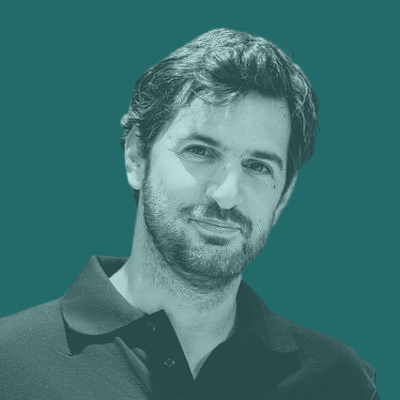
Hello and welcome back to the Strange Water Podcast. Thank you for tuning in. If you've been a part of this industry for the last couple years of couple years, you have heard the word ZK every other sentence or tweet or whatever. Now, there's so much that can be said about zero knowledge cryptography. But let me try to sum it up into a couple big ideas. Before zk, most of the energy in cryptography was about using math to encrypt information, making it private to everyone except for those with the correct cryptographic keys. And then in 2008, Satoshi Nakamoto handed down a white paper and made a world changing assertion. He said that cryptography can be used for so much more than encryption. It can also be used to create trustless computation. Now, the journey from 2008 to today is long and complicated and full of drama. But I personally think it's fair to understand the story of our industry as the process of understanding the power of cryptography and how to build tangible products with this new tool set. But here's the problem. The cryptography we are talking about is so advanced, so abstract and so brand freaking new that almost no one knows how to work with it yet. The lift of explaining how a KZG commitment works is so large that it's near impossible to get to the actually interesting. What can you do with it? The problem is actually worse than that because even if you can explain how a KZG commitment can hide secret data behind an elliptic curve, the reality is it's really hard to get this math running efficiently enough that it's actually useful. But every day it becomes more and more clear these problems will be solved very soon. Today's guest is Omar Shlomovitz, co founder and CEO of Inguyama. Now if you go to their website you'll think this is a ZK hardware company and you're partially correct. But Inguyama is so much more. They are not just creating specialized hardware, they are creating integrated tools, SDKs and APIs that abstract away all the moon math and cutting edge silicone. The goal? To abstract away the intense mathematical implementation and systemic risk of ZK cryptography so that developers can focus on building applications and importantly providing implementations that are actually performant enough to build enterprises. On top of this is a fantastic conversation at the bleeding edge of cryptography, open source entrepreneurship and just general building. If you have any interest in understanding how ZK is actually going to work, make sure you pay attention. One more thing before we begin. Please do not take financial Advice from this or any podcast. Ethereum will change the world one day, but you can easily lose all of your money between now and then. All right, let's start the show. Omar, thank you so much for joining us on the Strange Water podcast.
**Speaker A:**
Thank you for having me.
**Speaker B:**
Of course. Of course. So before we get started into like, the real interesting part of what you're building with Inguayama, like, I am just a huge believer that the most important part of any human venture is the humans involved with it. So my first question to you is like, who. Who are you? And how did you find yourself in such like, the bleeding edge of where mathematic touches computation touches degeneracy?
**Speaker A:**
So I'm based in Israel. I guess that's the first fact that we need that's relevant here. And at least in Israel you have this, like, mandatory service, right? So you have to enlist into. Into the army. I was part of this program where I'm actually committed to spend quite a lot of time and. And I was like in intelligence, in different. Doing the different roles and also got my academic background at least like their years and. And degrees as part of this, in this context. Okay. So I was tuned into more of like this defense industry and intelligence. Right. So I was studying physics and electrical engineering and then completed the master in electrical engineering. All, all while like doing my mandatory and then voluntary service, wearing multiple hats, you know, playing multiple roles, research development, managerial roles. And I think that ever since, you know, my. My first experience, professional experience, it was always around people and innovation. That's kind of like the two things that, at least for me, maybe also creativity like this, these are kind of like the leading thing or at least for me, what's. What I think is, you know, what guides me the way that I pick, what makes me, I don't know, what I find the most fun and why kind of like, I guess makes the most contributions. And it's also. It means that even like in the context of the army, I was kind of entrepreneur, but it was. I mean, in that context, it's less about getting money from, you know, others in building products. It's more about. You get. Resources can be like human resources can be other stuff. But yeah, like, there are similar concepts now. When I left eventually the army, I've done something which is, I guess, at least in Israel, like, this is like probably like very traditional way in which entrepreneurs are being born. So, yeah, I mean, I've kind of like just paired with a couple of friends from my service and we started my first company it was mostly a learning experience and very far by the way from the space, it was healthcare, brain technologies, a lot of technologies that had nothing to do with what I've done so far but excited me. Like virtual reality, machine learning, AI and so on. Yeah, I mean 10 months, one year, something like this into the venture actually we closed. But yeah, many important life lessons that I took from that phase. Now another important thing to note is that at some point I started my PhD in cryptography in computer science.
**Speaker B:**
Well, so sorry, just drilling in on that specifically, like what was exciting about cryptography specifically to you.
**Speaker A:**
Right. So I mean this is something it's, it's hard to explain because it's a passion. I mean it's something that just attract me from very little age. So the beginning you read about it, like when you see a book I don't Applied Cryptography by Bruce New, you just like read through it and you find some joy in by way of like understanding this, how these things work and the magic of cryptography. Like definitely. I still think till today that like part of cryptography is pure magic. And at some point I just wanted to more like have you know, formal education in cryptography. It, it was in a sense a bit of a shift from like, you know, more of engineering, like more academic background in physics and electrical engineering to computer science. But it went kind of smooth because of my professional experience till that point in time. So in my PhD I worked by the way, supervised by Professor Hugo Lindell and I was looking into technologies like advanced or ultra modern cryptography, multi party computation which is obviously using zero knowledge proofs in a sense. And also got attracted to this amazing world of blockchains. And basically at the same time Ethereum kind of like just started and the concept of smart contract basically blew my mind, right. It was like, I don't know, it was crazy. So I tried to think what you can do with smart contracts and cryptography combined. So from the very early days of Ethereum that's kind of like what I had in mind. And at some point I met with the co founder of my previous company, a company named Xango. And in this company Xengo, basically Xango is a consumer, it's a consumer product we've built, still ongoing by the way. I think it's a successful company and we've been building there this digital wallet for cryptocurrency. And the reason why I found it compelling was first obviously the product and the notion of, and the vision of getting, you know, the next billion people on crypto and you know, this ease of use and peace of mind. The other thing was the security, the cryptography and that also was my part of the company, kind of like a cto basically in charge of open source infrastructure and cryptography. So it's not very far from what I'm doing today in the company. Although today we are taking it, I guess one step farther and we do the full stack, including hardware. Yeah, but back then it was mostly focused around mpc which is kind of like, you know, the killer, like the killer application for one of the killer applications for MPC is definitely in key management for stuff like blockchain. So yeah, I mean I had a chance to see the technology kind of like go all the way from academia and then today it's like almost a standout in the industry during that time. By the way, I also co founded a non profit around pushing this technology to do this kind of transition called the MPC alliance which now is, I don't know, 50, 50 plus companies, some of them are very big and work together around this market education angle. So I guess four years into Zengo, into this company, I realized that the amount of innovation that I can bring and how much I can stay in the focus of the company, which remember it's like a consumer company, is very much limited. And I basically looked on how I can optimize my, you know, just take what I already know and the skills that I acquired and what can I do that would have a larger impact. So then I started this phase of ideation and, and I have to say I cannot take credit for the idea of, you know, marrying cryptography and hardware because it was like the signal was there. I mean, I know now that it was a very, very good timing. But you know, everywhere I went people just, and I can mention here, like Justin Drake for example, who is, you know, is sitting in our board and kind of like considered the godfather of the company. So him and he and many others basically told me this is the opportunity, like this is obvious that hardware is going to be needed. Like any technology, like any successful technology requires software, algorithms and hardware here it's clear that it's missing and the opportunity might be now. So that's kind of like when I started to explore it.
**Speaker B:**
No, okay, before I let you kind of go on with basically the start of Inguayama and like what is being built today, let's just hover over, over your background a little bit because like, especially in 2023, you know, I think a lot of us have lost sight that Cryptocurrency is not just about currency and defi and money, but like the, the actual base science at the bottom of this is cryptography. And I think that's like why I'm, I'm so interested in like the perspectives of people that come at this from a academic, like formalized academic background, first really understand the power of the technology and then are looking for ways to either build applications or build infrastructure so that developers can focus on applications. And so I think something I want to ask you is at this time and even today, when you're, when Inguayama is this just nascent kind of vibe that's transforming into an idea. And this is a big question, so let me know if you need me to refine it. But like, what are you starting to understand the purpose of ZK cryptography is for and the power of ZK cryptography above and beyond, Just like cryptography.
**Speaker A:**
Yeah, that's indeed a big question. And also, you know, just to refer to the first part of the, of your statement, indeed, I mean, back when, you know, I started to look into the space, which was, as I mentioned, a short time before Ethereum started, it was intriguing. There was not so many academic papers, so it was kind of easy to stay on top. Today, obviously it's impossible. It's clearly impossible. And you can see this kind of like transition. I mean, it's also another phenomena that we can highlight is that when you look at the professors like this, the people that are leading in academia in various fields that are related to blockchain, basically this entire layer of academics moved to lead or to be part of research group or blockchain companies. And basically, and what we see is that it pushes kind of like the space forward. It's very interesting to be in this point where research, which is like almost like academic research and industry and products are racing. So they are like pretty much at the same point. Okay, In a way, ZK is a good example. Right. So zk, I think by now actually it's being led by the industry in a sense. We've been used to academia kind of like laying some theory, even think about zero knowledge. We've been around for, I don't know, four decades or something. And at some point you kind of see the materialize and some products are becoming real and usable and scale. But nowadays you see the innovation coming even from the industry and the cycles are extremely fast. So also for us as a hardware company, ZK and such technologies are moving targets. We need to build our products, our solutions in a way that would be able to sustain this environment that is high pace of innovation and always changing. And it means also something I guess on the application we can inject some of that into the application layer. I mean it's moving that fast, so fast at the infrastructure at this point in time. And I assume that when you look at the application it's kind of like the IDs can just keep coming and we're gonna see some iterations on IDs. Some of them would be massive hit from the get go. Some of them would take quite a lot of time to mature. And this is some kind of like a challenge like in the last we had like a whole ends meeting I think today where we try to think about examples like let's tell the story, let's actually tell. And we took decentralized KYC KYB as an example and kind of like try to connect the dots how you take this kind of application and go all the way to the infrastructure and how eventually it will mean that you're going to need let's say ZK at scale by using some kind of like ZK bridges and ZK co processors so that you'll be able to kind of like make proofs across chains on the history of Ethereum. Right. So this is just like you know, toy example if you like. We also been doing this exercise of even looking outside of Web3 because you know, zero knowledge is about removing trust from, from any system. So in a way it's like pushing the boundaries of what is web3. It allows for decentralization. You can take any web2 company you want and once you introduce zero knowledge, you basically again remove trust, making it more decentralized, allow it to work with blockchains and so on. So it's very interesting to observe what other industries might be impacted from this kind of technology. And again like it's, it's very blue like the line of what is how they're going to be leveraging like something like Ethereum. And you need to tell, you always need to look at this like this. So maybe I'm kind of like laying out this on one side it's like vertical, right? So let's take an application and vertically kind of like look how it works from you know, the top maybe top down, bottom up, whatever. The other side is horizontal. Like how can I look on different industries, different like use cases, applications and try to apply the technology onto them. And that's yeah, I can give some, I don't know if it's interesting. I can give Some examples, because right now, I mean we see ourselves as kind of like leading the effort, as building their full stack, the hardware and software. We can basically deploy zero knowledge on any hardware for anyone. Right. You can be an AI company working at some kind of like cloud centralized service. You can be, I don't know, like there is the, the edtech and, and health and finance, gaming, defense industry. Like, like we've been talking with, with, with different ones or different ideas and yeah, I mean, so to your question, it's very hard for me to pinpoint like what's. What kind of applications are going to emerge and going to grow and at what point time. I can also say that this is something that for me, as a founder should. It's one of the things that bothers me the most. Like I do want to see applications. It's important, like we try to aim our effort to where there are actual users. Right. And that's something which is very challenging. And I think that as a space we are kind of like sometimes, you know, often neglecting the, at least the infrastructure part. Right. So we're not really considering what's the application here. And we always need to keep. To make sure we actually answer for if there is a pain, we need to answer it. I don't need to make like innovation or build infrastructure for some, I don't know, very fancy computation. I need to solve real world problems.
**Speaker B:**
Yeah, for sure, for sure. I think so. Brief anecdote. I was at Stanford SBC last week and I was very fortunate. I was able to pull Professor Dan Bone and Professor David sie aside for 30 minutes each and we talked just a lot about crypto. Right? And like what both of them said to me, which I think is exactly what you just said, is that they've both been very important professors for decades and with crypto, it was the first time in their career where they would write a research paper and then within like three months, literally three months, it would already be becoming an application that like either a company was formed around it or like mattered in real people's lives. And I think like they both said this happened once and I just thought it was like cool, but didn't, you know, just like a weird thing that happened. It was the second time this happened where I realized like, oh my God, there's something magical happening in the crypto industry. And so like, I think you're right, like something special we have here is like this like total fusion of the academic level with the, you know, company builder level that, you know, maybe we'll mature out of. Maybe we won't, but, like, it's clearly something incredibly special, right? And I think, you know, I think kind of like, to sum up what most of us in the ZK space are like, kind of understanding the purpose of ZK to be, and I think you, you put it very aptly, right? Is it's removing trust, right? But, like, more specifically, it's about creating computation that can be trustless. Right? And so the idea is, like, with ZK knowledge, you can run, or, sorry, with ZK proofs, you can run computation anywhere, centralized, dark computers, whatever. But, like, with the ZK proof, you can, you know, recreate this idea of trustlessness that we found so critical in blockchain. And so, you know, I think we're super early. I think you're right to point out that it's, like, important to think about applications and not just build technology for technology's sake, but at the same time, because it's so early and because ZK is literal moon math, right? Especially you listen to the starkware guys talk. It's actual magic, literal magic. And a huge part of what needs to be done today is just help people understand what is this technology, what are the possible use cases, and then building it. So instead of implementing graduate level math, you're just implementing APIs and SDKs and things that over the last 50 years, we've developed into developer toolkits.
**Speaker A:**
So first comment is about your encounter with Dan Bones. I was part of this movement. I mean, we are part of this movement. I remember in my previous company, it's not only that when someone like Danbone is releasing a paper, it's about infiltrating the academia in a way. You want to influence what kind of paper is being written. Like, you want to guide the research questions. Because from where we stand, we actually work on problems that matter, that actually can change lives, can move things. And people in academia not always have this point of view. So when you can share with them these ideas, often it leads to joint research. Right? So, I mean, also in our company, it was like, from day one, we always been trying to be as curious as possible. Kind of like, ask the open questions, try to work with other researchers. Like, be very open. That's part of our ethos. Like, be extremely open in what we do because we know that it can encourage more research that can lead into more exciting results and so on. The second thing is about education. So we actually devote quite a lot of resources to do basic education. And I think in our case, again, Building also the hardware, it's super important. So when you think about a team that has a product with zero knowledge, and today zero knowledge is actually being run on the wrong hardware on cpu. And that's a limitation. At some point you hit this bottleneck, like that's the best you can do. And often it's just not enough in terms of user experience. Experience. Now what we say in the company is because we can actually work on different hardware, on the right hardware. It's a matter of, you know, I mean, depends on how much money you want to invest, what's your setup. But basically if you can define some kind of like specification that you want to meet, we can actually make it happen. Like we can find the right hardware and make it work. So for us, education here is basically ZK is here. I mean, it's not. You try to say, I'm not sure I agree 100% with the statement that we are so early. The way that we see it is that it is doable. Like today you can take, there's enough software engineering already and there are enough tools and we don't have enough users. But if you actually need this kind of tool in your product, if you need zero knowledge and you're willing to take a big bet on that, which this is kind of like how far we are, it's actually possible. And it's important for us to bring this to the awareness of people. And eventually developers should be aware that this is part of their toolbox. Right? This is something they can use and of course it will improve over time. Right? But I think we hit this sweet spot of software, hardware, algorithms, where things are working together. And I hope that soon we start to see even more. Kind of like how they click and actually produce amazing products. That's what we aim at least. But it boils down, I mean, education is important. Leg in all of that story, we try to do basic things, like we try to provide resources to make them accessible to give talks about like the most basic things. Because it's a tough topic. I mean, it's tough, it's hard to learn, it's hard to understand. So definitely there should be kind of like a lot of education.
**Speaker B:**
For sure. For sure. Yeah. And I take your point that like from a capability standpoint, you're totally right. Like we're not early. Like KZG commitments are well understood, like bulletproof, like Peterson. Like there's so much that is like ready to be operationalized today, but and yet I'd still say that we're early. In like a very specific sense. Right. Which is like today almost no developers have any understanding of like how UDP works, how TCP works, how IP works, how like icann, how any of these systems work. But every developer can trivially deploy a website that is accessible over HTTPs. Right. And I think, and not only can they do it, but it is well understood how to do it and then what capabilities that provides to the application. And I think that once we're at the HTTPs level for individual commitment schemes, that's when I'll start to feel like we're not early, we're in a developed ecosystem. So I don't know if you take issue with that, but that's kind of fair point.
**Speaker A:**
Yeah, fair point. Completely agree.
**Speaker B:**
Cool. All right, so I cut you off while you were giving us how Inguayama came to being. So why don't you just real briefly or as briefly as you want, let us know how you went from understanding that. ZK is so incredibly powerful, it's so limited by the specific machines that we're running on. Like there's a huge opportunity to take academic concepts, put them into SDKs and into APIs and then accelerate the shit out of them with hardware.
**Speaker A:**
Yeah. So I think that initially the premise was or the blue ocean that I saw in front of me was just this. Taking these two different things. One is cryptography and specifically what they call like ultra modern cryptography or privacy announcing technologies, fag, zero knowledge. It can also by the way trickle to post quantum cryptography and even mpc which is going in the direction of becoming more compute bounded. So take this on one hand, on the other hand take hardware and put them together. Now eventually we need to. It was very obvious that we need also to pick a specific technology to focus on. And your knowledge is the most advanced. And also we're already with companies and there's a market. So it in a way also made us pick the most natural market for us, which is web three. And there are companies building on this technology. They have like pain points already that can be solved. And it's the fact that zero knowledge is not a good fit for cpu. It's very easy to, to explain, right? Like CPU is more for like general purpose computing and you know, everything from the number of bits to the type of like computations that the arithmetic that is being run on the cpu, the memory, everything is just like not a good fit for zero knowledge. The best analogy we have is like with AI GPUs compared to CPUs. So like imagine today writing a paper or deploying some kind of product and using CPUs for AI instead of a GPU. And this is also where we need to be when it comes to zero knowledge. We also need to use specialized hardware that is more suitable to zero knowledge. So yeah, I mean, it was very clear from the get go that we need to bring the world of specialized hardware into zero knowledge. Like we need to basically grow as an ecosystem and move from this phase where people are implementing on cpu, because that's what they have. That's what like, you know, that's the tools that they've got to basically be able to seamlessly run it on gpu. Right. Like when you work today with AI, you don't kind of like try to understand, oh, this is gpu, that's FPGA that I'm using, it's an asic. You don't care about that. Like you say to Pytorch, I'm going to run on GPU today and that's it, you're good to go. So we need to be at that level. And we've done this, I mean, since inception, which was early 2022, let's say we've been dealing with trying, you know, we've been trying to basically be part of the ecosystem and help companies that would that get to this point, that of a bottleneck in the infrastructure. Right. And it was a very interesting path that we took. So we had many learnings along the way. And I would say this kind of like, I wouldn't call it like pivots or like even mini pivots, but you basically take some learning from, you know, you have some experience, like you try to implement something on a given hardware. You see if it works, if it makes sense, if it can actually be deployed, if it can be usable for someone, then you make some conclusions around that and you make the next logical step which is based on these conclusions, you kind of refine what you're trying to do. Just to give an example, it was again, let's take the analogy of AI with AI, you have metrics, multiplication. That's the walking horse, the one that like the basis for the math computation. Now if I have an accelerator for matrix multiplication, have I solved AI acceleration? Not at all. Today AI acceleration is handled like if you look even at Nvidia and Broadcom, there are so many things that are not just the compute and you need to look at the problem kind of like end to end. Right. It's also network, for example, which many times becomes the main bottleneck Right. Nothing to do even with compute. So that's another. That's one lesson that we've learned. Right. We also started from, I mean, like we realized, as I said at the beginning, we need to build a semiconductor company that's kind of like where we need to be. But then we understood that, okay, like we need to wait first we need to develop some ip. It's very clear in zk, what are the metrics, multiplication of zk. Right. Like stuff like NTT msm, some kind of like, you know, Merkle tree, It depends. Stocksnark but you have this kind of like big problems that can be paralyzed, that can be accelerated. And we've noticed that just by accelerating those, you are not getting to the actual acceleration that you can achieve. Like it gives you something. Is it good enough? Not likely. You need to look at the problem end to end and accelerate everything. Right. So this is kind of like where we, that's like one conclusion that we had. And then we understood what we need, what needs to be done next. Right. So yeah, I mean, our journey so far has been full of these kind of like discoveries and then basically refine our direction in a way that would be more appropriate to actually serve the market.
**Speaker B:**
Yeah, for sure. First of all, like the iterative approach is the only one that's successful in the long term. So good for figuring that out. But you're a seasoned entrepreneur, so you know, I think like the more first of all, just for those that are not deep, deep into this world. Just to recap what you said, basically, like, so in all of this stuff is just extremely, extremely advanced in heavy mathematics. Right. And so the naive approach to hardware acceleration is to find the mathematical operation that is the most compute intensive, then build specialized hardware for that. And then the idea is if you find, you know, the space that's taking up 80% of your computation and your able to improve that by, you know, 10x, then that should like be a massive increase on the efficiency of your protocol. And what Omer just said is you would think that that is correct, but it turns out that the bottlenecks are so wide and spread over the whole stack of zk, proving that it turns out that there's much more than just building this specialized hardware. So first of all, was that a good summary? Almost.
**Speaker A:**
I mean, I can give maybe another quick example just to, you know, make this point. So one of the things we've done recently is an integration into a framework called gnarc. So this is a go language prover framework. And the easiest thing to do or you know, the things that you can immediately do is just do a drop in replacement of this, like big math problems, right? So you just replace them from being running on the CPU to run on a gpu. So then we've done that and we've tried to benchmark and see where it gets us, right? Maybe it's good enough. And we've noticed that we are actually losing quite a lot of time on the back and forth between the host and the GPU device. It was like on gpu. So then you need to drill and like do a bit of like a deep dive into understanding why is that, Right? So the next thing we've done was, for example, we've noticed that between two big math problems there's some kind of like polynomial arithmetic or some vectorized arithmetic that's happening. So it's a very simple computation, it's a very small fast computation. But the fact that you needed to take the output from the device to the host, do this polynomial arithmetic, then send it back to the device, this is what killed us, right? So we've just stained the device, right? So the change we've done was just let's stay in the device, let's do the polynomial arithmetic on the gpu, which surprisingly, or not so surprisingly, it's also very paralyzable. So it was done like even faster. But then because we were able to let go of this back and forth of communication bottleneck, basically it kind of like took the whole computation to become much more accelerated. Like the acceleration become like, I don't know, some fact or better. So that's kind of like what I'm trying to say, that it's, it's, you know, you have these kind of like problems that are not just the math computation, but also how you kind of like connect everything together.
**Speaker B:**
No man, that was super clear. Thank you. Super clear. And so I think the important takeaway from this is one, you know, creating these like order of magnitude improvement is so much more than just taking the computation and putting on specialized hardware, right? It's about building integrated systems. But the, the other important thing to realize is that when you make order of magnitude improvements, like you're opening up entire new use cases. And so I'm hoping that you have a good example in the ZK world. But off the top of my head, like the, the example in just technology world is right. Like back when the Internet started, when we had dial up and bandwidth was so bad, like, I mean everything that we do on the Internet, but I'll just take one example. Recording this podcast just like was impossible, right? Like the bandwidth was too small, we couldn't do video, we couldn't even really do voice. And, and so like in the next 20 years as we evolved like our, you know, from dial up to DSL to broadband and then like, like those order of magnitude increases, like create brand new classifications of, of applications. And so like making ZK more performant is not only like a business problem, that only matters to huge corporations that have massive cloud compute bills. It's also about like creating space for this industry to like actually use the like mathematical magic that's being written at places like well world class universities.
**Speaker A:**
Yeah, that's true. I can give you know, many more examples. Just take one from the gaming industry. So today like multiplayer games, I mean you can equate it basically also to how GPU and image rendering kind of made a difference at some point. But with GPUs and image rendering only once you got to some threshold of performance, you are actually able to feel it, see it in your eyes, let's say sub second improvement. And you were kind of like at this phase, right? So with multiple games today you have this centralized server that it's more than one server, but it creates this huge overhead because think about every player needs to communicate with the server. Kind of like mention or talk to the server, tell them what they need to do in the game. And then there is quite a lot of heavy logic around anti cheating. For example, server needs to make sure you're not cheating. Obviously you can replace anti cheating with a proof, right? So it kind of like it simplifies the communication and I would even say more like you can remove the server, I can be the server. Like you can become like full peer to peer games. You can take whatever like game that like Fortnite and make it peer to peer. You can scale the game, right? Like instead of like Fortnite Battle Royale, like you know, max 100 players, now you can have 1,000, you can have 10,000 players, same overhead, more or less. You can also now integrate it with the blockchain, right? Because now it's decentralized. I only need to trust whatever like Epic Blizzard to give me whatever to, to some token or something like that they control. You can do trade, you can do all of this kind of all of this stuff like I can you know, keep. There are many other examples also in gaming and in other field like AI can be completely disrupted. So yeah, I get it. Once you go this kind of like threshold, it Definitely opens up new possibilities. And yeah, I think again, like in this example from gaming, you have to get, and it must be done through Hubble and you have to get to like a certain point in terms of like the performance, right? You need to, if you want to play a game which is like, you know, real time in a sense, you obviously want to aggregate some proofs. Like you don't want to send proof every, like every second, but still there is some like, you know, you want to batch a proof, let's say of like one second of a movement in a game, which is, can be quite a lot when you think about the physical engine. But then you want to send this proof over which is very small again on the wire, takes really little like in terms of the size, but still it means you need to have some performance even on the client side in that regard. So yeah, that's maybe just another example to add some more color.
**Speaker B:**
Yeah. Awesome. No man, that's incredible. Okay, so going back to what the insight that you just brought to us is super interesting that you would think you can get all the improvement that you want, at least in the short term, just on the hardware side. But what you've realized is that so much more than the hardware side, it's about the integrated system of everything from receiving the data to spitting out the proof. My question is, when you're building these products, are you able to build them in modularized pieces so that you can focus on the hardware and then slot it into the software stack based on the customized needs of each application? Or because performance is so based on the full stack, do you really need to start with, okay, this is a use case, now let's build a tech stack around it and then make that tech stack public.
**Speaker A:**
So there are maybe two different approaches that you're describing here. So maybe one is being guided by a certain use case, right? So let's say you have bitcoin mining, right? So let's say there's this kind of a ZK mining which is like very. There is like specified algorithm. It's not going to change. And here you can take it all the way through asic and you know, in terms of the software stack, I mean there should be some kind of like software stack here, but it's going to be relatively minimal, right? Like should be enough to operate it and that's it. I mean you can probably think about more complex kind of like examples, but that's one approach. And when we get something like that, like there's a spec, this is like the proof that needs to be accelerated again, like some kind of like proof of work is I guess the canonical example and you need to optimize for throughput. So here the approach is basically going straight to the hardware and then start iterating, right? So you want to have something, you measure performance, you can, you have very good tools today obviously to check correctness, but then to kind of like see what is it that gets you still to become slow and how to improve it. So it can be by moving to newer technology, it can be by having better algorithms, it can be by having better engineering, it can be many things. And it's like an amazing problem space on its own and fascinating one. We've been, we've been working on that front as well on several occasions. And yeah, I mean that's kind of like a very straightforward kind of like hardware play. I think that then the other approach is connect to what I mentioned before is that this is like a moving target, like the space is evolving and you cannot really point at a point in time and say here we are going to start to see some convergence. I don't think we're going to get to this point similar like what we see in AI. So that's why also for us the approach is very modular and very kind of like generic the way that what we try to build, so we just try to get everyone, you know, it's kind of like tied or like all ships, boats are kind of like rising. That's what we try to do in that sense. So it starts from like our ID for an asic, which we call zpu. And it's just like a GPU, but more suitable for ZK and cryptography. That's kind of one idea. But I think the even more important part is in that case it's not in the hardware, it's in the software. You want to be able to build something which is going to help developers or get them, or get them to use the hardware in a way that they don't need to think about it. And we already mentioned it in this conversation. So for us, for example, the equation right now is that API is bigger than performance. I don't really care today if it's 10x or 11x. I would rather have a cleaner, better API for the developer to be able to utilize or take advantage of this 10x to begin with. And that opened up kind of like a lot of challenges, right? So for us, for example, we are putting a lot of resources onto this API, right? This kind of like how do I Allow developers writing in Rust in Go language C and other kind of like Forbes to accelerate. Right. So the one thing I already mentioned is that the drop in replacement is, you know, the most immediate thing. But I already give. And what I give in the example is that you also want in a ZK problem, you want to take it end to end. So you also want to support polynomial arithmetic, which opens up like interesting question. What does it mean? I mean, what kind of API I expose? Do I call it a polynomial? Do I allow to do multiplication of polynomial? Do I do something which is lower level? For example, in our case, we decided on two levels of API. One is more of engineering, one is more for, let's say developers. One is more for the ones that are actually trying to work on developing ZK protocols from zero. And one is for developers that just want to integrate ZK inside of their project or product and they want to kind of keep it more at the high level. Or there's a polynomial. Now I know that I can call a GPU for that. Right. So that's like the second approach, which again, it's another problem. It's another kind of like interesting problem space with a bit of different challenges.
**Speaker B:**
Yeah, I mean, again, it's. We're just at a time right now when it's just so important to put the tools out there and create them. Then like it's still. Yeah, it's just so important to like be able to work with developers who understand like, you know, for example, like to understand that computation really is just math. And then because it's math, you can manipulate it. Using math is definitely like a, a hurdle that, that a developer needs to reach over. And I think it's so important to both service the cryptographers and the ones who have made that leap. But also we need just application developers who don't even care. They just need capabilities. And so it sounds like while you're building Nguyama, it's super important that you are working with and actively cultivating relationships with both.
**Speaker A:**
Yeah, I mean, your second point about having application developers simply don't care and be able to still leverage hardware and get this performance. I think it's critical. I think this is where we are at this point. I mean, this is what we're trying to do, like kind of like building the Pytorch, but for zero knowledge in a sense. Like you should be able to just like write your algorithm or just take your ZK from somewhere. It should work on GPU or it should work on like whatever device Specialized hardware, like, it should just like walk out of the box. You don't need to think about it.
**Speaker B:**
Yeah. So let's, let's pivot a little bit more to talking about Ngoyama and like, how do you build a business around this? So my first question to you is that like in the long term, like when you think 5 or 10 or 25 years ahead, what does Inguayama look like to you? Is this like an. Does it look like Nvidia? Does this look like aws? Does this look like Twilio? Like, how do you understand what you're building at least today?
**Speaker A:**
Okay, so that's a good question. First, we are trying to build a semiconductor company, silicon company. It's clear that this is the way to go with this type of cryptography. And this is where we want to be eventually. Now it's not like we try to define ourselves like, you know, before even talking about business model and so on. You should also talk about vision. And the vision is that ZK should be accessible. It should be accessible for us. On phones, on my Mac, everywhere, like on data centers, hyperscalers. ZK should be just, you know, something we use, just like we use today. Gpu. Right. You have it everywhere. You have it in, like in my Mac, I have one chip with CPU and gpu, there should also be a CPU inside of that. Right? So that's kind of like the vision. And once that's going to be possible, then I'm sure we'll see like many, many use cases, as we mentioned before, decentralized identity. Right. Like, critical part of, I think like the modern whatever stack that we'll see in the future. Anyway. So that's in terms of the vision, the question is like, let's kind of like try to sketch how we get to that point from where we are today. And I think that for us, like, what's important is indeed to focus at the chip level. Right? So once you have, you know, the best technology and the best engineering put into a chip, then you can, you know, put it in different form factors from IP to servers and data centers and hyperscalers. You can package it in different shapes and so on. Now this is what I think we should eventually focus, but right now we are very far from that point right now, as I mentioned, we are still. And you also told us that we are still in the early days and today it's basically transitioning or enabling the usage of this specialized hardware to run zk. And the best. What we have today is we have GPUs we have FPGAs today, GPUs and specifically Nvidia GPUs I think provide like the best, the best performance, the best trade off that you can find. It doesn't mean that it's going to stay like this forever. But right now this is kind of like the easiest also in terms of like programming them and use GPUs and they're very accessible. We think that's kind of like the next step, the next or the first techniques should come for GPUs. Right? So here, let's start to connect the dots, right? So again, building a semiconductor company means certain things. It means something about what investors, how much capital, what's the IP that you want to build, what's the kind of network you want, the supply chain. I mean even you know, if I'm going to build an ASIC at some point. And I just want to clarify that as I'm trying to sketch, we walk by removing bottlenecks and it might be that the first bottleneck is not going to be a computational button neck like, like ZPU gpu. It might be that it's going to be in memory or in like network. Right? So we just want to take it one step at a time removing bottlenecks and kind of like grow with the industry. Right? We want to keep the same pace. Because if I'm going to give you an ASIC today, you will have zero. Like you can, you don't need it like your finest gpu, you don't really need an asic. But at some point GPU will not be able to catch up, right? Because either because of availability or just simply because of, you know, the cycles. So there are going to be new Nvidia GPUs, let's say 20, 25. Maybe by that time the demand from ZK Markets is going to be too big. Right? You just cannot catch up. So it kind of gives you a very clear signal. Now you need to move to the next 10x. Now I need to move to the next 100x. So that's kind of like how we try to see ourselves grow over the next five, 10 years. And yeah, we do kind of like long term planning. That's also part of being a semiconductor company and when it comes to business models. So the easiest is to talk about, you know, at the end and it's going to look more like Nvidia. That's like what I imagine at least. Which means that again, focusing on the chip, focusing on having this amazing technology of CPU and zero knowledge ASICs and that's what you try to sell eventually that's what you want to have in phones, as I mentioned. So it means you need to work with like Apple's and Samsung and the likes and in different kind of like appliances. So that's, I would say kind of like what would be, you know, looking far into the future, but when you try to project it into today. So today as I mentioned, it's all about education, it's all about taking the developers, the developers community and bring them to the future. And the next kind of like generation of ZK systems should be run on GPUs as like first class citizen. Right? So the business model for us here is going to be something similar to an open source business model, like a freemium, if you want. Right. So we want to. And I mean I've been working on open source software like I don't know for how many years now. I cannot see it in a different way. We try to do things differently also in hardware, right? Like we try to actually like, you know, break all of the stigmas around, you know, being like very kind of like isolated and modes and all of that. We try to do things in the way that we believe should be done. So today it's about getting these tools at the hands of the developers, allowing them access to GPUs in the short to medium term future when more L2s like ZK rollups and other kind of like products are going to scale, there's going to be some economies around them, right? These economies will probably attract some big operators that would like to participate in these networks. Might be that this is going to be the only way to actually participate in some way in some of these networks. We want to provide them tools. And here you can also talk about how you take our open source tools and libraries and add to them. Like to give an example. So what we developed or what you can find today in open source within Goniama is this library called icale. Sure. If you have a GPU you can now run ZK and you can get whatever 10x in your application. But if you are an operator, you have a data center, you are a cloud operator, I don't know and you actually want to participate in one of these networks. First you want to be very competitive and second, you want to be able to deploy in such scale, you want to be able to have like a data center type of. So for example, nowadays we are doing this kind of like experimentation with, with few partners on how to scale. How do I handle multiple GPUs, multiple users and multiple applications at the same time. Right? That's a question. And this is something that we can actually use as, as an ip, right? I think it's kind of like very legitimate way to kind of like capitalize on this technology. But yeah, the idea is that today developers like you, me, anyone that wants to build on zk, people in academia should be able to just, you know, do it like seamlessly and just enjoy the benefits of the performance.
**Speaker B:**
Yeah, for sure, man. So there's a lot to say there. But I think the most important thing is for me like the reason I am like so willing and excited about dedicating my like life and career and like interest and reputation to crypto and like specifically to Ethereum is like for me like Ethereum is like the final promise and the deliver, like the deliverance of open source software. And like what's special about Ethereum is that we're sharing in the same way that open source has always been amazing. But for the first time the way Ethereum works with the burn and all this stuff is that as we build together, we all benefit in a very concrete financial way together. And for me open source software has changed from this kind of libertarian weird Internet culture thing that started with just Linux and even way before that Unix, all that stuff. But to like today I see that like that, that what crypto is is like the perfect meeting of cryptography and advanced math and advanced computation and like open source ethos. So I just like you spend three minutes on the Ngoyama site, like I, you can tell like you guys get it and like really believe in that and like that the ethos that you guys are putting out there is the most important thing is that other people have access to the same knowledge and tools that we do. And like we're always just going to believe that it's better that more people are contributing than like that we dig a moat around ourselves. So I just want to say thank you and like you're totally right and like keep doing it in that specifically.
**Speaker A:**
No, I mean, thanks but it's, I would say even more than that. Like you know, we're dealing with cryptography and cryptography. I mean it's my opinion and the way that we are building this company part of the culture by no way you cannot have cryptography as closed source. Like that's on so many levels. Like this should be public goods in a sense. And yeah, I've been enjoying working on cryptography, open source. It's a win, win. I Mean, it's a bit scary once you realize that your cryptography and your code used like to pass billions of dollars, you know, between banks and whatever. But it also very, it's very rewarding and the only way that you can actually achieve it is by having this kind of like scrutiny of open source and the collaboration environment that you get from open source. And this is how you actually achieve the level of trust that you want in cryptographic system. Like no patents. An ocular source like this should kind of like be open. So Ethereum very much like aligns with that. As you pointed out, it's part of the ethos and we are happy to be part of this ecosystem and contribute our part.
**Speaker B:**
No, for sure. And you're totally right. What is the point of private cryptography at that point it's just trust again, so why bother? And so, yeah, man, great point. So, man, we can keep going on forever. I think, like, honestly, like, I really want to just like drill in with you and figure out like, are you guys in house going to build the ZK data center or is that an opportunity for someone to go build Twilio zk? Man, like there's a billion things to talk about here. But you know, unfortunately we're wrapping out of time, so with our last few minutes here. Omer, I just, I guess like what would be your call to developers out there who are like really starting to get that ZK is like transformational and really can add capabilities to their products, but like, don't really know what, what to do other than. Yeah, just read crypto Twitter. Like how would you encourage people to get more involved and start thinking about how to build with zk?
**Speaker A:**
So first of all, crypto Twitter is. There's a lot of positive sides like to that that's fine to read from some of the people there. And it also links into stuff that you can kind of go into the rabbit holes and that's completely fine to get lost inside of this ocean of information. Sometimes that's the way to go until you pick up something that picks your interest. I think that, and one point I want to make is that in this entire conversation you can first, you can replace zero knowledge with photomorphic encryption and most of it would stay true. And that's also what we try to. That's the view that we also try to take kind of like support. You know, if it's cryptography that can become useful in the context of, you know, decentralized computing, then we want to enable this cryptography to run at scale in A decentralized fashion by anyone. So for those developers that are just starting first, there are great resources to learn. It's not necessarily easy, the onramp to get familiar with that, but we are getting there, we are improving. So it really depends on what. As a developer, I'm saying it kind of like wearing a hat of like, if I were a developer now, what would they do? So first, I think there is kind of like at this point the space is very broad. So one, like maybe the first question I would ask myself is how to like where to focus. And for some folks it would be around the application level, right? Maybe zero knowledge. Machine learning is what most exciting for them. And that's, that's cool. Like there are a lot of work, a lot of work to be done on zkml. For others, the math might be, you know, where the magic happens. And this would guide you to kind of like take a very different path into understanding that. And there, there's, I mean, and then you need to kind of like, you know, there's the imposter syndrome that you need to kind of like shake off. Because this is, you know, as I said at the beginning, academia, industry, we are working now, you know, hand in hand. It's like we are moving forward at a very fast pace. You can just, you know, find your sweet spot and start to contribute, start small. But I can assure you that quickly you're going to get to a point where you actually can, you know, just push the front. Right? Which is amazing. It's like, it's an amazing opportunity and it happens all across. So it's. Yeah, I mean, just focus, find where to focus, try to learn crypto. Twitter is one good resource, there are many others. And then try to contribute, right? So try to find like some open source, try to build some app, go into an event. There are amazing events happening like all around the year. So yeah, I mean that's kind of like my tip.
**Speaker B:**
Awesome man, thank you so much. And yeah, I think the most important thing you said right there is we all experience imposter syndrome every day. But the ZK space is, can be a minefield, right? Because like you are dealing with like people that are inventing new math and people that are building billion dollar companies and it's just like so crazy and out there and changes every day. But like, all I can say is that every other person in this space also feels like the dumbest guy in the room. So join us.
**Speaker A:**
Everybody feels like the dumbest guy in the room. That's what you need to realize, like, like everybody feels the same. It's true.
**Speaker B:**
For sure, man. Okay, so before I let you go, can you please tell the people, where can they find you? Where can they find Nguyama? And yeah, just if they want to learn more, where should they go?
**Speaker A:**
So, yeah, the company is, as I mentioned, trying to walk pretty much in the open, so our GitHub is obviously extremely active. I'm proud to say that we have like, power users and contributors. And there are also great resources to learn. There's the Ingopedia, which I think is by now the number one place from where people are coming to our website. So it's very popular kind of like resource to learn. The website. Ngoniama.com is another kind of like, venue where you can read, you can get links to the videos that we, as we post to the blogs. We try to release blogs quite often. So that's, I think, the best way to learn more about where we are in our journey. And obviously we're very accessible. We have a discord where the engineers are hanging. You can get their attention, like, quite easily. Just reach out, ask a question, one of the channels one of them would answer. I'm less important. I mean, I'm always available on telegram. I have my own kind of like, website, email, whatever. I try to be available for anyone that think that I can help. But yeah, I mean, I think that engineers in the company, like, this is probably where you want to hang is what the cool stuff is happening, my.
**Speaker B:**
Friend, much too humble. And you're doing the CEO thing, right, where it's your job to get your people the resources and the information and the connections that they need. So all I can say is that I'm so impressed and so excited for to. To see what you do and how Ingama, like, does become the. Does grow to become the next Nvidia. And I'm just so excited for what you're doing for this space. So, my friend, thank you so much for, for the podcast, for the time and man, I. I hope I talk to you soon.
**Speaker A:**
Thank you. Thank you for inviting me again. Was a real pleasure to. To speak today, Sam.