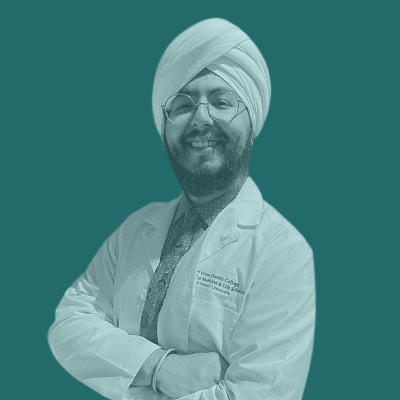
**Speaker A:**
Welcome back and thank you for joining us for another episode of the Strange Water podcast. If you have spent any time on Crypto Twitter in the last few months, you know that we are deep into the ETH staking or LSD narrative. Lsdfi, LSD backed stablecoins, LSD indices. And that's before you get into the black hole that's drawing most of this conversation's energy. Which LSD is best? It's moments like these, when the narratives get louder than the underlying purpose, where I force myself to take a step back and ask the big questions. What is Ethereum staking? And why does it matter? Today we are speaking with Jasper the Friendly Ghost, one of the most passionate and vocal believers in the World Computer that I know. Jasper is a Rocket Pool maxi. He is a paid community advocate, an operator of the odao, which is Rocket Pool's back office system, a former treasurer and a member of the Rocket Pool Incentive Management Committee. Suffice to say that there are very few people who have thought about Ethereum staking more than Jasper. And while Jasper is the guy to talk to regarding Rocket Pool, this conversation is about so much more than just one protocol. This conversation is about systems and economic design, the role of Ethereum in modern society, and perhaps most importantly, the individual motivations and passions that bring each one of us to the World Computer. One more thing before we begin. Please do not take financial advice from this or any other podcast. Ethereum will change the world one day, but you can easily lose all of your money between now and then. And for further disclosure, I am a Rocket Pool Node operator and I'm invested in the RPL token. And of course my bags are heavy with eth. All right, let's start the show. Jasper, thank you for joining me on the pod. I'm super excited to have you here.
**Speaker B:**
Excited to be here. Long time coming.
**Speaker A:**
Yeah, for sure. So I cannot wait to get into Ethereum. But before we get into like the, the beating heart that keeps us swimming towards the in the same direction, can you please give the audience and myself just a little bit about like, who you are, your background and what brought you to the World Computer.
**Speaker B:**
Yeah. So hello everyone. Thank you for having me. I love what you put out for the community. Great resources for everyone, especially bringing down some high level concepts, which is ultimately one of the things that brought me here. So who am I? I am Jasper the Friendly Ghost. I joined the crypto space back as a sort of consumer advocate. Sorry, purely consumer. Just in my econ high school class. Yeah, I Was just fiddling away in the back of class, not really paying attention to lecture and instead watching like Martin Shrekelly and all these random fintech twitch streamers at the time who would just give like in retrospect, really awful advice, especially given Marsh Carley then would go on to spend years in prison. But he put turned me on to the the notion of bitcoin. And so that was in 2015. So there I was, bored in econ class. This shiny new thing bitcoin had recently reclaimed thousand dollars. I remember that being big news to me at the time. But you know, I sort of like pushed it to the side until the bull market came around. And then I started digging in a little deeper and I discovered Ethereum. And so I was still like super passive at the time. This is 2017. I started bought on the way up and then I went off to college and in my undergrad experience I was a philosophy major. I was studying pre med. I was very far removed from the world of cryptocurrencies but I still kept like a arm's length appreciation of the space Makerdao is really what kept my interest going in those sort of dark years. You know, I remember when DAI first launched. I remember when they had their collateral crisis, the Black Swan events. And it's crazy. A lot of the crypto natives think back at March 2020 and remember how low the prices got. I remember looking at the prices and sort of like chuckling at how low Ethereum was. But the major concern on my mind at the time was that Covid was sending me home from school, which ends up being a really important point because suddenly I'm no longer at university, I have a lot more free time on my hands and I'm still like this intellectually curious person driven by philosophy. And that's what I was doing at the time. At the end of COVID I was finishing my philosophy thesis on Buddhism. Totally unrelated but you know, thinking in these abstract ways about metaphysics made me kind of approach crypto in a different way. Let me just back up for a second. So at the time I was doing my senior thesis in Buddhism, super left field, pretty unrelated but you know, I was thinking about things in really abstract ways and I had this reignite, reigniting of my passion for crypto and I took it from a principles first perspective. I was doing philosophy in such a way. So I wanted to approach crypto in the same way. And so the ideals that drove my interest were decentralization, helping the actual people on the ground and how could you do that? It ultimately came down to building the most robust, trustless world computer. And at that time, this is now like mid 2020, late 2020, really it was like the slow birth of the all L1s. But it was Ethereum, it was dumb dog defi. Summer was just like still in its like dying throes of grander. It was still wonderful. And Rocket Pool was and was exiting its first beta. So this is now getting into like 2021. So Rocket Pool really was the synthesis of a lot of the philosophical.
**Speaker A:**
Before we get to Rocket Pool, just because as you can see from your shirt, if you're watching on YouTube, like Rocket Pool is a major part of this story, but while we're still just treading water in your like journey to crypto. So I'm a really, really big believer that especially if you're an American or a Westerner and I'm not sure what you are, but for the sake of this conversation, I'll assume you are that, that like, in order to be a true like builder in crypto and a true believer and not just like a financial speculator, like you need to see something wrong in the world that crypto fixes and you need to be kind of betrayed by the system that we were all taught was fair in order to realize we need solutions. And so it's interesting to me to hear that Dai and Maker was a big part of what you were interested in. And so I guess when you think back and you reflect on what was that kind of burning ember deep inside of you that like made you know that there was something important going on here, what, what would you kind of attribute to what was going on in your life that brought you to that, like due to crypto.
**Speaker B:**
So I mentioned earlier how Buddhism was actually super left field. I take that back. It's actually a perfect metaphor. There's this idea of metaphysics, like what is real? And what do you give authority to define what is real? That's a big problem. Like in our metaphysics. Oftentimes in like the Christian world, you see, God is the definer of reality. And God sort of has this authority. Well, in the current financial system we have a similar, similar question, the metaphysics of money. Who gives money value? And the American system is the United States. So what did DAI do? DAI broke the curve. DAI established for the first time a non sovereign, non national bound currency. So this dichotomy or this status quo we had of money being a solely nation state derived apparatus, totally gone. Now what is money? Metaphysically like in a more fundamental sense we now have to think about, okay, what defines value and what pushes that forward. So that really was a zero to one moment in my head. And I think stablecoins in general recognize that. I think that was the first real winner crypto had besides being drug money. Well, actually drug money is the realization of a stable currency in a pseudo sense.
**Speaker A:**
Yeah. I mean it's irresponsible to call Bitcoin stable during that time, but it serves.
**Speaker B:**
In short term transactions. It worked.
**Speaker A:**
Yeah, right. Yeah, yeah, stable, yeah, yeah, yeah, for sure. And so earlier you, you made a comment about like how crypto can help people. And I, I think we're all here for some, for some reason that can be described as that. But for you, when you see helping people, what does that mean? Is that like really about like providing people access to, you know, like inflation resistant or non inflationary money? Is it about like money transfers across like political boundaries? Is it about like access to like complex financial instruments? Is it all the above? Like, what does helping people mean to you?
**Speaker B:**
For me it comes down to access. While I was in undergrad, I was on a debate team and one of the most common thought puzzles, problems we would like to do is how do you expand banking access worldwide or how do you industrialize a growing economy? And one of the things we always came back to was enabling a credit system, enabling a safe banking system, and getting people out of purely holding cash and into a broader economy. This problem enables tremendous growth if you can solve it. And what we saw with Internet and the rise of smartphones was an increase in the speed of penetration into the landmass. Like Internet had a very slow trajectory compared to the rate of smartphone growth. Crypto currently is keeping pace with the latter, but what it brings is the potential of financialization beyond just connectivity. So that is going to be huge and is current. Solana gets a lot of flack. The Solana phone gets a lot of flack. But people are underestimating the value that a successful phone that integrates a banking system can have on billions of people. I am Indian by nationality and my family senses remittances cross border. There's fees associated with that. Crypto has, you know, saved us money in that sense. But that's not a luxury everyone's familiar with. So helping people in this really real way of ground level, not corrupt financialization going to be zero to one moment. Another thing that, you know, bankless has been getting a lot of flack recently. One of their best interviews was with the Ukrainian minister of digital reform. It was shortly the middle of the Ukrainian war. What they discussed was how during the first week, two weeks of the war, the traditional banking system was essentially collapsed. You know, it's very fragile, dependent on each banking center having full access to electricity and so, so many other things. Whereas an Ethereum wallet works with just WI fi. If you have a little bit of Internet, you can do so much. And so they were underwriting a lot of their transactions with the donations that were sent in, and they were able to back. They were able to fill orders because of the Ethereum network, which was astounding.
**Speaker A:**
Yeah. Yeah, man. I, you know, I didn't catch that specific one about Bank. That specific episode on Bankless, but, you know, I. I've mentioned it many times in. In Discord or on this show. Like, my fiance is Russian, and so, you know, I've been like, her family still lives in Russia. And so, like, I've been more aware of this war than most Americans. And like, one of the things that we experienced. Well, didn't experience, but saw happen firsthand last summer, ish. Was like, the. The mobilization was like, a lot crazier than any of us in the west understood. And, like, it got to the point where, like, my fiance had. She's a. She's in dental school, going to. On to be an oral surgeon.
**Speaker B:**
Teaser for later in the episode.
**Speaker A:**
Yeah, but. But, like, so her friends in Russia, like, her male friends, like, you know, my age or younger, were like, talking to her about, like, okay, can we get to the U.S. like, is that even possible? It's not like, okay, like, how do you break an arm? Like, to, you know, like, how do you break a. Like, I mean, and I just, like, when you're talking about war, like, whether this is like, us sitting in our history class, like, like, pretending like we care, but we just care about the A. Or like, talking about a real war that's happening right now. Like, it just. There's the. There's the people making the decisions and then there's the people that are affected.
**Speaker B:**
By it and very, very different groups of people.
**Speaker A:**
Yeah. And I just, like, there's something so like, crypto for its, like, most profound use cases. It's like, it's ready. You know, it's. And I just. Speaking of Bankless, I think it was Vitalik was on Bankless at the end of last year, and he made this comment about how he was in South America and he was super surprised that everyone there is using crypto. But, like, guess how they use Crypto, they all just use their binance wallets and like, they don't give a shit about like decentralization or being on chain or defi or whatever.
**Speaker B:**
It just works.
**Speaker A:**
They need it. Yeah, yeah, you know, they, they need to be able to store value in a country where it's illegal to buy dollars and they need to be able to transfer to someone so that they can buy food. And I think that. Yeah, man, I'm rambling here, but I just think that like it is about helping people.
**Speaker B:**
One more, one more thing to add another common thing, and it's really unfortunate, highlighted the value of crypto is people who are fleeing now have a way to flee and retain their wealth. Like human migration in past has been devastating in a large part because people lose everything in the process and have to restart with nothing. But for the first time you can, on a little USB or even a piece of paper, you can carry vast sums of money across borders hidden which when you're being, when you're being politically persecuted, whether you're war dissident or religious. Religious persecution, it can change everything.
**Speaker A:**
Yeah, I mean that's about like. And like, like I was just in Europe, I got back this weekend and like when I was there I went to Dachau and I went to Auschwitz and I went to Birkenau. And like part like this is like our grandparents, you know, like this wasn't that long ago. And like the, the. It's one thing to say like, hey, like you can, when you need to flee your country, you can bring all your assets and stuff, but like part of it is like, hey, you're gonna have the flexibility to flee your country when things get really bad. And anyway, way too dark. Yeah, let's, let's move this forward. So it's 2020ish, 2021 and right before we get to Rocket Pool, being in what I guess like their first beta or however they phrased it. But we like before Rocket Pool, there is the beacon chain and the birth of ETH staking. And so as someone who didn't join this industry until after that moment, can you just share with the audience just like kind of your reflection on those times and like what it felt like and like what proof of stake meant. Like the promise of proof of stake meant then and now a year or many years later. But now that it's implemented, like what is. Did we deliver? Like, how does it feel now?
**Speaker B:**
So I first learned about Ethereum early 2017. And back then proof of stake was known as ETH 2.0, right? Like this is going to be the next ETH. And there was, I remember it was like a recording of a Vitalik Devcon talk and there was like 10 people in the crowd. It must have been like a 2016 lecture. And it's on the roadmap at the time. And Vitalik is a genius because back then it is just so detailed, like every step of the way. And not only that, it accounted for possibility, possible variations. Like Sharding was always a potential, it was never a guarantee. Like obviously we thought of it as like this is going to happen, but back then it was just on the road. So I was familiar with proof of stake. I was expecting it. Like most people were like 2018. So the bull market comes, prices start crashing. And I remember the good friend of mine who I told to convince to buy at the time, he was like, what's going on? I was like, don't worry, price is just noise. It's a multi year plan. Proof of stake is coming. Sharding is coming. I was just off by like a magnitude of years. So what did that feel like? Right. Seeing I wasn't technically adept enough to really understand the proof of stake change like the switch. So my commentary on that would be bad. All I can say is I understood that the devs decided there was a better way to do it and, and they were doing that instead, which I thought was like, you know what, fair enough.
**Speaker A:**
And I just like hover on that point a little bit. Like it Vitalik is a genius and like I have, I have really, really like strong reactions to hero worship and like cult of personality and you know, I mean, I think that like terror happened because we all like bought into and so like I've built up antibodies to that. But like every part of my body wants to say like Vitalik, he's just some guy, is not that good. But oh my God, like you go look back at like the 2013 things that he was talking about.
**Speaker B:**
We're delivering on it today. Yeah, I've been reading Proof of Stake. It was an, it was just a collection of his essays. And then like I'm just taking notes along the way. Like this predicted that. This predicted this. It's. It's insane.
**Speaker A:**
I know I haven't bought it yet because what, what he said was this was just a collection of essays from my blog. And I'm like, I mean I've read them all.
**Speaker B:**
I have too. I've read a good amount, but it produces a narrative.
**Speaker A:**
Yeah, yeah, it's super. Like, I, whatever, I, I'm just being lazy. But like, it, it's super. It's one thing to read the essays, but to see like which ones he chose, how he chose to lay them out, like, that's part of the story as well.
**Speaker B:**
Yeah, yeah. So getting back to Beacon chain, right? So I was part. Mike mainly kept up Ethereum news through the ETH Finance subreddit, home to many, home to many. Therein I discovered Daily Gwei bankless. And I remember that there was like trepidation and fear leading up to the Beacon chain launch. Like, are we going to get enough ethics? Like, will people want to. It cracks me up now, but we were really worried, like, were people going to want to stake eth? Is the. Are the rewards going to be high enough? Because like, at that time we're coming out of the depths of the bear market, like 90 ETH is still fresh in our memory and morale was not great. Yet the beacon chain launches and it goes off without a hitch. Like, to my recollection, working fine. And that was a huge boost to the community. And then the stakes started flowing in and every day people on the thread were like counting. They're just watching it and updating. Also the node operators were coming out in force. And so you saw ETH Finance really start to embrace its community because people now needed to discuss their node operation setup. And then what happens is we see the return of some higher priced eat right and that brings just a huge, like throwing gasoline on fire. We hit the 700. Do you remember what the amount required to launch the chain was? It was like seven.
**Speaker A:**
Yeah, like just like all cards on the table. Like I found, like, listen, I was at school studying computer science in 2013. Like I read the Bitcoin white paper back then. Like, I remember Mount Gox. I was worried about like wheat futures. Like, I remember all of this. But it wasn't until May 2021 when Hayden Adams was on a Bloomberg podcast and that was the first time I heard someone explain Ethereum. And I was like, oh my God. So anyway, so I had this very.
**Speaker B:**
Node operator centric introduction into Ethereum, like main. And so that fear dissipated and turned into euphoria. It was really like this community come together like bitcoins, they have their havenings. Ethereum has like devcon. But it didn't really have a seminal moment to come together with until the Beacon chain. And then there was also. And then it was like not much until EIP 1559. But yeah, I would say that was like the start of the Ethereum super cycle, in my opinion, the launch of the beacon chain in 2020.
**Speaker A:**
Yeah, well, yeah. I mean, I do think for a lot of reasons, which, I don't know, maybe we'll talk about, maybe we won't. Staking changes everything. And it changes everything from a crypto economic security standpoint, from a financial asset standpoint, from. I mean, just from like a logic standpoint. Like literally Bitcoin is burning carbon for the sake. The point is to waste the waste the most.
**Speaker B:**
It's interesting the environmental aspect was not such a huge focal point early on, and there was a large amount of time between the launch of the Beacon chain and the merge. I really think that time could have been cut down if the environmental furor that sort of took over towards the second half of the. Wait to the merge happened earlier. I want to say Vitalik commented on this at one point or Danny Ryan commented on this. Ultimately, the merge was the hardest thing that Ethereum developers had ever had to do. And the fact that it went off without a hitch was are we worth all the way? But at the end of the day, we're still left with this idea of like, how much extra CO2 do we have to add to the atmosphere? We were running like the equivalent of a small country.
**Speaker A:**
I think that no matter what side of the debate you're on, like, it's, it's a distraction from Ethereum. And like, look like you either believe in climate change or you don't. And if you don't, like, I have a doctor you want me to talk to, but, like, do, like, there's like, things that are helping and things that are hurting. And like this, like, really helped. And it like, helped in a pretty significant way, but, like, it helped in like a way that is just irrelevant to the actual problem and is not really like why we did it. So I, you know, it's cool, but again, the only reason I brought it up was just like, Ethereum should be proof of stake. And one tiny piece of that is like the environmental aspect. So anyway, a huge part of proof of stake is the staking. Decentralization changes, like the dynamics behind decentralized changes between proof of work and proof of stake. And so, you know, I, I think we can talk about a bunch of different things here, but just kind of like skip ahead to the interesting one. I'm not sure what happened first, Lido or rocket pool, but those are the two directions that at least like phase one of custodial staking kicked off with. Right? And they were basically like polar opposites. And so one, do you just have any reflections about what that time was like when these projects were kicking off? And two, do you think that.
**Speaker B:**
What.
**Speaker A:**
We see today with the massive centralization and the problems in the conversation, was that something that was bubbling in the surface during Genesis or is that only a reflection of how bad things have gotten?
**Speaker B:**
Just to correct you a little bit, Rocketful and Lido actually launched pretty differently.
**Speaker A:**
So I just meant timeline.
**Speaker B:**
Yeah, yeah, timeline wise. They launched Rocketful launch much later, some history. However, Rocket Pool was designed on the original staking contract, the Casper staking contract and the token sale and ICO happened in 2017. This might hurt you if you are just now deciding to be a node operator, but the RPL price at ICO in ETH terms is like 0.0005. That was three zeros.
**Speaker A:**
Yeah, I mean whatever. I bought my RPL like thing, my nugget in February of last year. So I think I paid 45 bucks.
**Speaker B:**
So the ICO happened very early and it was a very fair launch. The dial held no tokens. The team retained 10 to I believe 25% of the tokens. And that was several years ago. What ended up happening was the Ethereum core devs decided to change how staking was going to work very shortly after Rocket Pool launched its first testnet. So fun fact, rocketpool is the only contract developed for the original Ethereum staking contract. The bad thing about that is Rocket Pool wasted an entire two years essentially some of the architecture and framework and the theory was able to transfer over. However, Rocket Pool did have this ethos of making sure it was launching in a as decentralized manner as possible. And this meant enabling permissionless node operators that was sort of this un negotiable aspect of the protocol launching. However, when the beacon chain launched, Rocket Pool was not able to live up to that expectation. And there's an article that was released around this time by the CEO or the founder, David Rugendyk that sort of explains their decision to wait to make to release a more decentralized product. So there's a vacuum. There is no decentralized custodial, decentralized non custodial staking or any custodial product. LIDO launches very fast. Very shortly after the beacon chain launches you have peer to peer validator Lido, the original Stakewise, Cream Finance and a few small others. Coinbase. Not immediately, I don't believe. So that.
**Speaker A:**
Yeah, I feel like Coinbase.
**Speaker B:**
Yeah, so that much later that early scene was already being pretty dominated by Lido. So they executed a pretty beautiful vision by releasing the Lido tokens to the developers of other major dapps. They pretty much established STE into DeFi right from the get go and that created an immense Lindy effect. This is also sort of the skinny merge at the time, sorry, even before the merge.
**Speaker A:**
So yeah, what's the, what's the skinny merge?
**Speaker B:**
The skinny merge just meant that when the Beacon chain and Ethereum Mainnet merged, withdrawals were not going to be enabled. It was just that consensus would now shift over to the Beacon chain and the Beacon chain would actually be useful. There was an interview on Bankless between the Lido Lido founder whose name is escaping me at the moment, a Coin Lino and Rocky Pool. And I remember at one point the lid representative commented the Beacon chain is like potato. Which was a funny joke at the time because it was true. The Beacon chain was just producing empty blocks waiting for the merge. So we have this period of about a year where there is no non custodial product until rocket pool launches and even then when rocket pool launches it's in this very economically gated state. So whereas Lido can onboard any amount of eth you can throw at it with Justin sun likes to test out himself with 200,000 ETH. Rocketful had limitations to enable a two sided balanced market.
**Speaker A:**
Yeah, so, so I do think that that is like worth picking apart a little bit. Right? And I think so in a second why don't you describe like the mechanism by what this happened, the deposit pool and like now how the brakes have been if not taken off just loosened a lot. And so because I think like what's really important to understand is like these systems that rocket pool put in place like were specifically designed to slow things down. Right. To not like allow people with eth to deposit it into rocket pool until there was a node operator to match it. And like that is like very very much in contrast to Lido and like other people who is frax like we'll just like accept whatever you want, like whatever you're willing to give, they'll take it. And so like one is just like more scalable and faster and like can grow a lot better but like that has consequences. So we'll talk about the consequences in a second. But can you just describe what the mechanism is for Rockapor?
**Speaker B:**
Sure. So Rocket Pool acknowledges that liquid staking is a two sided market. You will always have a node operator and you will always have the liquid staking operator. Instead of trying to just ignore 1/2 of the equation like lido, frax, etc do and let the liquid staking grow unbalted. They had to grow in tandem. So at launch you could launch a mini pool with 16 ETH, 1.6 ETH of RPL if there was ETH in the deposit pool. So at the time of launch it was a gated launch in steps. At first only I think like 500, then 1500 ETH was allowed. It capped at 2000. So at any given point there could be 2000 ETH waiting to match someone to launch a validator. So most of the time there was a very slight premium. Reath would trade at like 0.0.1% above what it was supposed to trade at.
**Speaker A:**
Because like normally like if you wanted to mint reath, you would just put it in the deposit pool. But the deposit pool was maxed out, so therefore the only way to get reath was buy it.
**Speaker B:**
Exactly. And so early on you could come in as a node operator. If there was Ethan deposit pool majority of the time there would it would be full. And so node operators, instead of having unbounded growth for the liquid staker, we had sort of unbounded group for the node operator. And that sort of summarizes the rocket pool story. It is truly focused on maximizing the node operator experience as an extension of maximizing the ethereum experience.
**Speaker A:**
And what we've seen now just. We'll rewind in a second. But what we've seen now post merge where we two things are happening. One, everyone has realized that like eth staking has been de risked from the existential side I'd say, I guess, I don't know, I mean there's still risk, don't get me wrong, there's still risk, but. But two is that rocket pool like took the brakes off of the deposit.
**Speaker B:**
Pool and now yes, 20,000, 15,000, but there's there's this like asterisk there. So in this early system that we were really just trying to figure get the product live in a workable fashion, there were optimizations to be had. Now we find that with the advent of eight ETH minipools, which is instead of having to post 16 ETH, we found that it is safe to do it with only eight ethics. This has had a dramatic impact on the node operator supply and we've found that we now have flipped it. We now have a surplus of node operators and we can sort of be like hey, we can accept a lot more ETH inflow for our liquid staking side. What the system allowed for is an additional queue, a rocket pool specific queue. So if you wanted to spin up a validator, you can put your Ethan into this queue and it sort of tacks on to the deposit pool. So if we had 1,000 validators in the queue, well that means there's an additional 24,000 ETH that could be minted worth of RE. At its peak, the protocol could have handled a 97,000 ETH deposit. However, it's sort of like a supply demand balance. Now the longer the queue gets, there's this funny interaction. RE APR actually can grow higher than it's supposed to. This is, this is a little technical here, so I want to try to slow things down. The reth supply say is at 100 reth, like there are 100 people each holding one reth. Now we have a huge influx of people want to spin on validators and the queue gets very long, like tens of thousands of people. Well, funny enough, we figured that it would be more efficient for those people in the line to start the validators earlier on in the line. So the earliest validators actually get to launch their validators by the later validators in the queue. So the first validator has their validators reth's portion supplied by the second, third, fourth, fifth one. This allows the total amount of ETH staked for the REIT supply to grow over 100%.
**Speaker A:**
Yeah, things like definitely get like more complex now because I think there's like a lot of interesting things happening, right? Like part of it and you know, like we're not going to go through all these things because like there's more things to talk about. But part of it is like changing to like the, the eighth mini pools right there. Part of it is increasing the deposit pool size and part of it is this like new but very cool balancing mechanism that through like the technical way that you just described. Essentially what's happening is the mechanism is pushing the returns of like pushing like kind of the excess returns of this system towards the, the side that needs more people. So whether, if we have any stake too many node operators and not enough eth, then the node operators will be more incentivized by this mechanism. And if we have too many people.
**Speaker B:**
Depositing E, well both directions work actually. So it's actually the other direction is much more intuitive. It's called rocket arc. So if RE is trading at a premium, if there's so much wreath demand, you as a node operator can capture some of that potential mint. What you do is you launch a validator, you mint RE and you burn it simultaneously and you end up expanding the RE supply and capturing a bit of the premium. Then this is all automatic automated.
**Speaker A:**
Yeah, another way like. And I've done that before, it's great. There was a time when you could like earn like a whole extra eth by doing this. And so like yeah man, we're getting like a little bit lost in like some. All the amazing features about Rocket Pool because, because where this conversation started is on first principles and as you said, and feel free to push back on this if you want, but Rocket Pool is built for node operators to give them the best experience possible. Because the core thesis was we need to decentralize the network and the. The like financialization comes second. And I think what we're seeing with FRAX and LIDO is the complete opposite. Right? Like the financialization is first and then like we're going to figure out the decentralization second. And I just. This is a very open ended question, so I'm sorry for that, but do you just have any thoughts on how easy it is to decentralize something after the fact? Like what LIDO is going to need to do in order to be like a healthy participant versus the the reverse what Rocket Pool is doing which is starting out decentralized and then working out how to like supercharge the system with financial.
**Speaker B:**
I think it is incredibly hard to go from a centralized and fully grown system to a decentralized system. I think what a lot of people get caught up in is centralization is great when you launch something new often because you need to have safeguards in place and it gets out of control when you stay centralized through the growth stages because that makes the transition to decentralization much much more difficult. So to back up for just a second, prior to the launch of lido, there was a paper published by Paradigm Georgios and I think Hasu wrote it and it was on staking pools on Ethereum and it was essentially predicting that it would be a power law majority following the first liquid defi accessible MEV friendly staking token. It was pretty much the blueprint for lido and this article festered in the back of my head for years. I started working with rocketpool and I ended up publishing a counter article to them why Paradigm was wrong, why Areth will flip Steith. And essentially I point out that some of the warning, some of the things they pointed in that original article, namely that a liquid staking token must gradually decentralize as it grows, was lost. So that original article had these claims One of the major one was that should not grow over 33% without getting rid of governance. It was just right there in that original paradigm paper. Yet here last year, Lido governance votes against any form of supplementation. It seems like the financialization, once you start with that in mind, it's very hard to lose that crip. So now that's just on a philosophical angle. It seems like the DAO has embraced financialization as a core principle, whereas the Rocket full DAO embraces decentralization and Ethereum as a core principle and it votes as such. In turn, you now have a very difficult proposition in front of you. How do you take a DAO committed to financialization for the most part and turn it into a decentralized actor? And not only that, you have to do it where you have 29 operators handling each about 1% of the entire Ethereum network.
**Speaker A:**
Or one operator operating like 3% of the network.
**Speaker B:**
Yeah, yeah, bad apples either way. And here is the ultimate challenge. What system can you enable that is not gameable to permissionally distribute that stakeholder? It is a very, very hard question. Lido has been doing.
**Speaker A:**
What would you say to the pushback? You're like, you're right, can't just can't distribute it. We're not going to distribute it. The way we do decentralization is that every incremental ETH that comes in the future goes to a new node operator.
**Speaker B:**
So like the existing stake just stays there. New node operators get the.
**Speaker A:**
Yeah, like tougher to visualize for Lido because there's not enough eth left. Right. But like for frax right. Like what if they just said like the way we decentralize is like the second we launch Frax V2 from here on out, like every new can only go to a new node operator. Like do you think that that's a viable like path to decentralization?
**Speaker B:**
Not really. Well, it depends on when you do it. Like once you're holding 3% of the network in that original validator as you're already a risk to the network. Right, no network. So the way the network decides who is too big is approximately 1% because that's when correlated slashes get or correlated penalties come into play. And who bears the brunt of correlated penalties for liquid staking pool tokens? Not the node operators. Retail, always retail. The risks are always just passed on to retail while the benefits will continuously flow to the node operators. That is why they are content to take on as risky as a position as possible as long as people are Willing to accept it. In my original response to the Paradigm article, essentially my case is that these risks cannot be, cannot go ignored forever. That they rear their faces if you wait long enough and you can either act preemptively or you can face the major slashing incident and then decide.
**Speaker A:**
So actually. And they. It did happen.
**Speaker B:**
Lido did get slash.
**Speaker A:**
It actually did, yeah. Right.
**Speaker B:**
So let's.
**Speaker A:**
So would you like share with the audience, like the story of what happened actually as it happened? And then can you describe the correlation penalty and can you retell that story? But as if one validator that controls 3% of the network had made that mistake.
**Speaker B:**
So the Lido node operator, RH MB or something like that is at the cap for what they allow. It's actually over. So like more eth than they want in a validator had gotten sloshed. They were, I believe, switching. So for the people who are proficient node operators, you are going to be very disappointed in these professional node operators. So when you want to switch clients and you are a node operator, there is a little bit of risk there because when you switch, your previous client might still be attesting to the network and you don't want to have your new client also start attesting. Otherwise you're. Because that is a slash, it's a double attestation. Your old client is attesting your new client. No jump. No. No good. The Rocket Pool network has a very simple thing called doppelganger protection where it will check to see if your old client is still attesting in the network before allowing you to start your new client. Alternatively, you could just wait 15 minutes because that's the longest the old client could possibly still be testing. Lido did neither of these things. They switched clients to a new client and they got flushed. Fortunately, this was localized to 20 validators. It was not a correlated slashing because it did not affect all of their validators, which it was lucky. There are a few different ways. There are a few ways this could have gone very differently.
**Speaker A:**
So before you get there, like let's say it was like 20 validators approximately. So that's approximately 650 ETH. Right. And so what was, what was how much. What was the penalty? How much was slash.
**Speaker B:**
The penalty for that is just about 11 ETH. I think it's half ETH per validator.
**Speaker A:**
All right, so keep that in mind. Right. So because this happened to 20 validators, which is 650 ETH, that it cost 11 ETH. Right. So Jasper, like, what are the ways this could go really wrong. And when we say really wrong, how much does that cost?
**Speaker B:**
I cannot give you perfect answers on the cost, but I can tell you where to find the perfect answers and I can tell you the situations to get there as well. So two, I'm going to give two examples. The first one, this is a very simple one. Let's say all of the LIDO validators got slashed. Say they're transitioning all their clients and they did this. Whatever. It's clearly possible on a subset. It can be possible on the entire set. And again, we're only talking about one validator. Multiple validators can be affected if they had slashed on all of their validators at a starting point. That's half an eth per validator. I believe it's six to seven thousand validators. So there alone you're looking at three and a half thousand eth. So that is the initial slash penalty. Now you have the leak that comes out. So while all these slash validators have to be exited, they're forced out of the network. It's one part of the penalties for slashing. In that period of time you leak, you don't gain any rewards and you lose value. Hopefully you don't get a sink. Actually, no, you don't. Do not. You just lose value. There is a second after a certain period of days pass, there's a checkpoint where the networks will look and see how many other validators in the network have been slashed. Because you alone were so much so large, over 1% of the network, that triggers a correlated slash. And I believe that adds like an additional few percent of your total capital as a cost.
**Speaker A:**
Yeah, and again like we, it's at least double. Yeah, we should have prepared for this. But the, the point of this is like the more validators that were slashed concurrently, the, the bigger the penalty is. And the idea is that like, okay, if only a few validators were slashed in the last month, like that was probably a couple of node operators that like messed up and like no big.
**Speaker B:**
Deal, it rounds down.
**Speaker A:**
Yeah, but if like 10% of the network was slash, like there's a very, very good chance that was an unsuccessful attack. And so we want to make sure that those people are severely punished. And so I don't remember what the numbers are, but like the scaling is like outrageous. It's like if, yeah, if like 5% of the network. Right. So, so let's say frax doubles and they're one validate or their one node that is running all of this get slash that will Destroy all of their eth?
**Speaker B:**
Yeah, a large chunk.
**Speaker A:**
All of the ETH that is like. And I don't know this off the top of my head, don't quote me on this, but it's something like 5% of the networking slashed at once will destroy all of the ETH.
**Speaker B:**
You can find the exact details on ETH2 book. It was written by Ben Hennington, who.
**Speaker A:**
Was my guest on the podcast that came out this week.
**Speaker B:**
Beautiful. I love Ben. He puts out incredibly, incredibly useful content. Really breaks this stuff down and gives you the exact formula to see how bad it is. I'm not sure if it was 5%, I think it was 33% or 30. If you it was at 33 and they get all slashed, then it's. All the capital gets wiped out. Yeah, I don't know exactly. It's somewhere in that range though.
**Speaker A:**
The point is, is it's not linear. Right, right. And so it's like, it's not. It's like if 1% of the network like results in like, you know, a full eth being removed, 2% does not result in 2 per 2 eth being removed. It results in like 6 eth being removed. And so again, we need to do more research on things we talk about in detail.
**Speaker B:**
But notably, notably what will guaranteed wipe everything out is if Geoff has a. And get has a bug, the network is screwed. It currently sits at like 90% dominance within Lido. It's at 87% dominance rocket pool. It's 50% under 50% just about and currently dropping as we just started an initiative to further drop it.
**Speaker A:**
Yeah, and so just just to like flesh out what you're talking about, it's the. For non stakers, here's a crash course. It's like when you're staking, you're running two pieces of software, the consensus CL client and the execution client. Consensus and the like. Very cool thing that Ethereum and only Ethereum has done has made a priority to say we need to have multiple options for these clients. And the reason we do that is because if there's a bug in a client, we or a client is vulnerable to an attack. We want there to be like a bunch of different options and we want different people to be running the different options. What we've really, really screwed up is on the execution client, which is like, it's exactly the same as Ethereum proof of work and is now just encapsulated in Ethereum proof of stake. But 85% of the network uses one thing. And the problem is if there's a bug in that one thing. Let me put it this way. Everybody with a liquid staking token is screwed. Most stakers are screwed. But the people running nethermind are like.
**Speaker B:**
Yeah, the only people with left. Yep. There are at least some Rocket Pool node operators out there who survive a good chunk.
**Speaker A:**
Yeah. And PSA for rocket pool node operators. I. I am running gu. I need a change, but the reason I haven't done it yet is because my brain is very smooth and. And I need to be certain. But like, Rocket Pool has a service for us. It's called the Rescue Node. And like, that will. That's a resource for us to use to like, continue a testing and continue our duties while our node is offline. Changing out of guest, change out of.
**Speaker B:**
Get RPL client diversity dot com. You can get yourself a POAP for changing.
**Speaker A:**
Yeah, nice. Well, yeah, I'll do that. And it's even easier on the consensus side, so if you're on a lighthouse or prism, get off. All right, cool. Well, great conversation about staking in, man. Like, of all the people on this planet, like, you know that, like, we could keep going on this for like, days and days and days, but big believer in keeping it tight. And so with our last like section here, I would love to pivot the conversation kind of away from Rocket Pool and like, pivoted, like, directly towards Jasper. And so one of the things that, like, I think is, like, so cool is that, like, you are as much of a zealot as I am and, like, you are a believer in the world computer and like, you can't keep your mind away from it, like, even if you try. And yet you're taking like a major step away. Like a major, major step away. And like, that is like, I am so excited and proud of you and like, amazing, man. Like, you're going to medical school. And so one, like, I would just love to hear like, like, tell me, like, when did you know you want to be a doctor? Like, how. How long has that been part of your journey? And like, what does that mean to you? But to like, how are you thinking about, like, this is a hotel California, you can never leave. But, like, how are you thinking about, like, doing something so as intense and as time intensive as medical school, but still keeping your, like, umbilical cord to the world computer?
**Speaker B:**
So I've been in love with medicine for majority of my life, actually. I come from a medical family. I had relatives in the military as medics, and they had a huge impact on me early on as role models for high school. I actually attended a vocational academy that focused on healthcare. So I had a huge amount of hands on experience from a young age. And there's this feeling you get when you're doing something hands on in the moment with someone, when you're being a physical caretaker that is just not replicable in any other medium. Early on in my undergrad career at Princeton, when I was studying philosophy, I kind of wanted to study philosophy to figure out what the fuck I wanted to do for the rest of my life. I mean, why else do you study philosophy? And Peter Singer is a famous utilitarian who got corrupted in view if you followed SBF and effective altruism. But what Peter Singer presents is a is a fundamental question everyone should ask themselves in that is the ultimate good that you want to do a subjective one or a quantifiable one. And to understand the problem, he sort of gives this idea of you can save someone in the middle or in Africa by donating a mosquito net. Statistically if you donate mosquito nets, you will save someone. I mean, malaria is a horrible disease. Mosquito nets save lives. And you can like sort of map out the dollar value and so say it's $1,000, quote unquote, save a life. And then there's this other situation where you are just walking along and you see someone drowning and you're wearing a thousand dollar suit. Is there a difference between running into the water, saving that person, and spending a thousand dollars for mosquito nets in Africa? For me personally, there's a huge difference. Even though, even if I can just like quantifiably say like, hey, I probably saved a life, like, and if I did like $2 million in donation, I can be like, oh, I definitely saved at least some number of lives. But you're never getting that lived experience, you're never getting that, that connection. You're never going to know that this person with the X, Y and Z characteristics is now in a better state because of X, Y and Z that I was physically there for. And so understanding that ultimately pushed me further and further into clinical practice. And so even though I was writing all these like thought pieces, I was still, at the end of the day, still being a meditation counselor, pure mental health counselor in the background. Even when I was writing my crypto pieces for Rocket Pool at the background, I was studying in a postbac program at a vaccine clinic and being a full time caretaker to my sister actually. So medicine has always been the front of my physical activity. And so while I can like IDLY dream about like, hmm, imagine if decentralized finance was based on X, Y and Z principles. That doesn't require my physical presence. And in a lot of ways I feel like I'm only giving my true output to the world in when I can be there physically. So yeah, the alter. That idea of this embodiment of action of service brought me to medicine.
**Speaker A:**
Well, okay, this is like, to be too out there and just like, too kitschy. Sorry, but do you see any intersection between crypto and medicine?
**Speaker B:**
Yeah, but it's going to depress you. I come from America and our, our healthcare system is horrible. Part of the reason I want to go into it is to try to fix the disaster we have. And like, ideally the. So we run on an EMR electronic medical record system and is not centralized. It is the worst form of decentralization. Privatized and corrupted and centralized by proxy. Yeah, centralized by proxy. So you have like three different EMR systems that don't communicate with each other and are horrible, that fragment the system and you have a similar situation with insurance. So I see where blockchains can help in this standardization of data transfer and privacy protection at the same time. Like, that's what we have, that's what national healthcare systems are good for, is a standardization of healthcare access. In America, we could in theory sort of maintain our privatization of healthcare if we adopted and, and get some of the benefits by adopting this ZK system for health care information. The problem, of course, is that there is such a wall of bureaucracy in the way and healthcare is inherently resistant to change. Crypto and healthcare sort of exist on opposite spectrums where in crypto you experiment first, think later in healthcare, do no harm. You're preserving the welfare of the individual and you experiment if you can. And like, you want to push the boundaries of science, but ultimately you're trying to save the individual. You're. You're not trying to be the hero. And so I sort of lost myself in this analogy here.
**Speaker A:**
No, no, but. Well, I mean, I think what you're saying is like, obviously true, right? The. A place for crypto and healthcare is in the medical records. And um, in one of my other podcasts, some. One of my guests said something which I loved and like, my game is always like, what's the most reductive way you can describe Ethereum? And what he said was like, well, Ethereum is just like really an API that like, allows all these different like, like games or whatever that we're going to build to like, communicate with each other. And I'M like, man, I love it. I totally love it. Because like that really frames Ethereum as something more than like financial rails. And you know, I do think that medical records, like once you understand ZK as the technology to enable it is like that, that kind of solution.
**Speaker B:**
You have a ZK Porter style roll up or an Adamantium. You have like three verifiers. It doesn't matter if the verifiers are centralized. It's a one of one of n trust assumption. Like that's totally fine if you like, it's the US Government, the CDC and the World Health Organization are the verifiers. It's very unlikely for one of them to go rogue. And even then there's still like the out cases of you should be able to be able to. You should be able to still do your own fraud checking of those proofs.
**Speaker A:**
If you're a sophisticated actor, which is like a whole, whole Pandora's bot conversation of like open source, like a shield. And it is like such a scam. No one can audit this stuff.
**Speaker B:**
Yeah, it's. It's.
**Speaker A:**
Yeah, yeah, yeah. So anyway, again, if I let this go, we go for hours and hours. So Jasper, man, it was. It's just been such an honor and I really appreciate it so much. So thank you for joining us on the pod. And before we send you off, you want to share where people can find you and anything you want to shout out.
**Speaker B:**
Yeah, sure. So you can find me on Twitter at Jasper Underscore eth. I spend most of my time, however, in the trading channel of the Rocketpool Discord where I am a community advocate and I serve on the incentive management committee. So if you have defi strategies that you want to see rocketpool getting taking action with, let me know. That is my job and trying to connect Rocket Pool reath to the greater defi ecosystem. This has been a great podcast. Thank you for having me. I've always respected your. Your opinions on the space and I think this reflects, this conversation, reflects the quality of discussion you've put out in the space. So thank you again, man.
**Speaker A:**
You're being too kind. I. You actually like are in the trenches and like working on incentivization strategies and I'm like a guy who like writes shit on Twitter for attention.
**Speaker B:**
So I mean, the people that write shit get the people involved. We need the educators.
**Speaker A:**
Yeah. All right, man. Jasper, it's been real. Thank you so much, man. I'll talk to you soon.
**Speaker B:**
Sam.